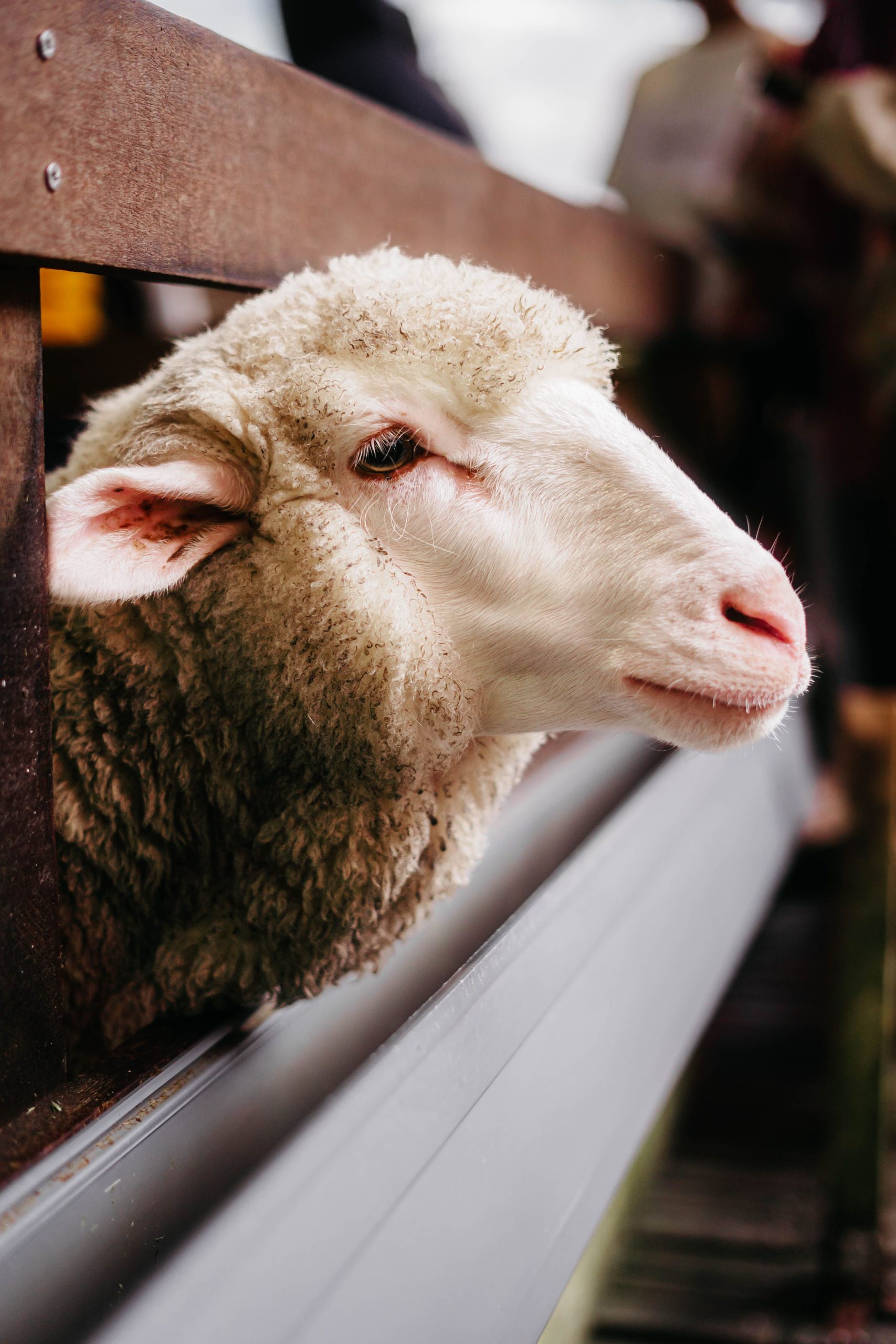

Two Very Different Sheep-Keeping Philosophies
Sheep breeds generally fall into two broad categories: wool breeds that need annual shearing, and hair breeds that shed their coats naturally. The right choice depends heavily on your goals, market, and how much labor you want to invest in fiber management.
What Makes Wool Sheep Different
Wool breeds like Merino, Rambouillet, and Romney grow a continuous fleece that must be sheared at least once a year, both for the animal’s welfare and to harvest the valuable fiber. Shearing requires either learning the skill yourself or hiring a professional shearer, and wool itself needs a market or a personal use plan to be worthwhile.
What Makes Hair Sheep Different
Hair breeds like Katahdin, Dorper, and St. Croix grow a coat of hair rather than wool, which they shed naturally each year without any shearing required. This makes hair sheep dramatically lower-maintenance, which has driven their surge in popularity among small-scale and hobby farmers over the past two decades.
Meat and Parasite Resistance Considerations
Many hair breeds, particularly Katahdin and St. Croix, were developed with strong parasite resistance and excellent meat quality as primary goals, making them well suited to pasture-based meat production. Wool breeds can also produce quality meat, but their fiber often remains the primary economic product.
Climate Adaptability
Hair sheep breeds like St. Croix and Dorper originated in tropical and desert climates and tend to handle heat and humidity better than heavy wool breeds, which can struggle in hot, humid conditions if not shorn regularly. Wool breeds, on the other hand, often handle cold climates better thanks to their natural insulation.
Which Should You Choose?
If you want fiber to sell or use, or you’re set up in a cooler climate, a wool breed may suit you well. If you want a lower-maintenance, meat- or land-management-focused flock without the hassle of shearing, hair sheep are usually the better fit.
Browse our sheep for sale to compare available breeds, and check our feed and nutrition supplies for your flock. For breed-specific data, the Cooperative Extension System publishes detailed comparisons.