
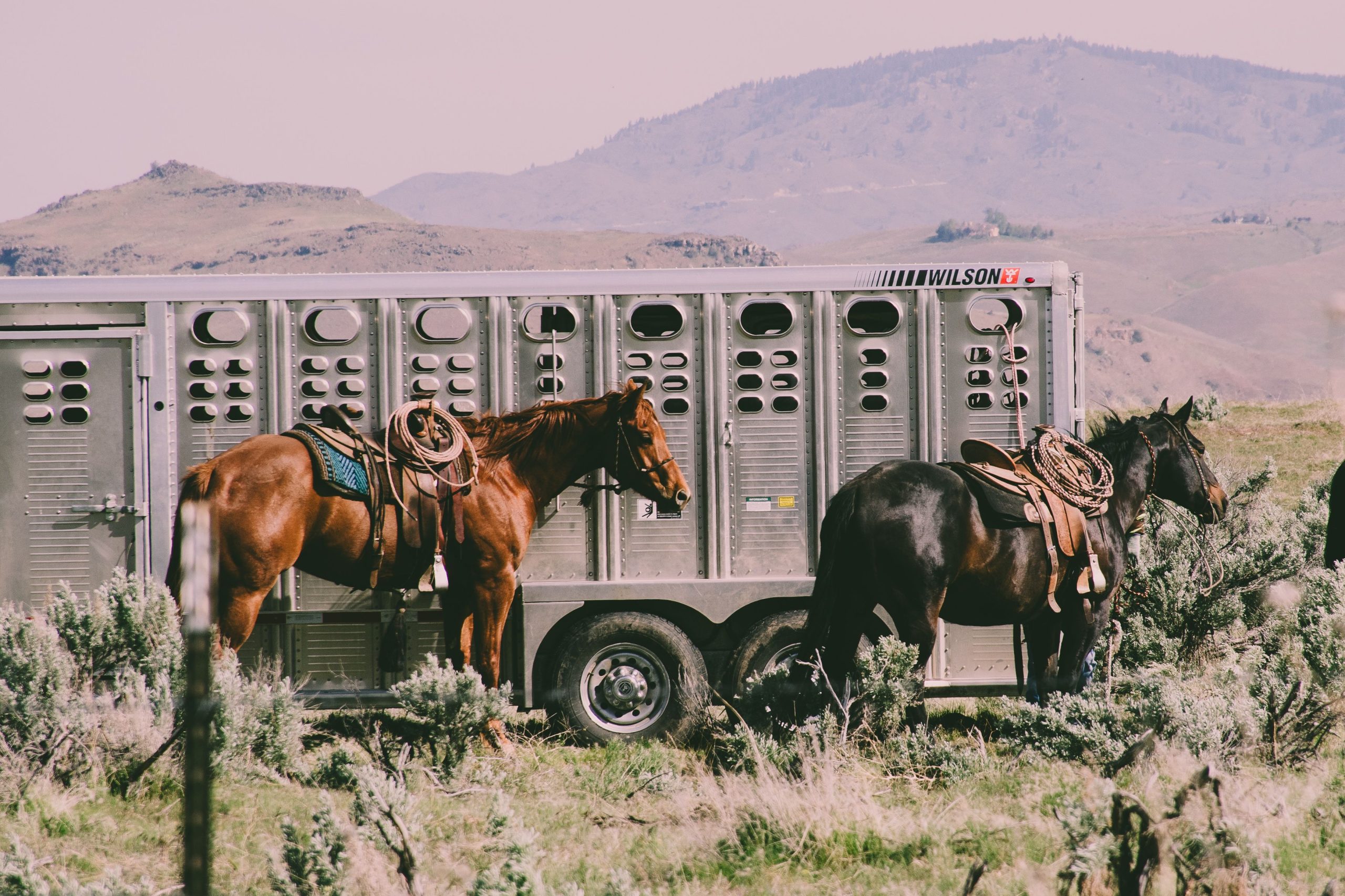

Why Trailer Choice Matters
A livestock trailer is a long-term investment that affects safety, convenience, and resale value for years to come. Taking time to choose the right size, material, and features for your specific needs pays off every time you load up animals for a vet visit, sale, or move.
Bumper Pull vs. Gooseneck
Bumper pull trailers are generally more affordable and easier to maneuver in tight spaces, making them a popular choice for smaller operations with fewer animals to haul. Gooseneck trailers offer better stability, larger capacity, and more even weight distribution, making them the preferred choice for larger loads and frequent long-distance hauling.
Trailer Size and Capacity
Match trailer size to the number and size of animals you typically haul, keeping in mind that overcrowding increases injury risk while an oversized trailer wastes fuel and can affect handling. Consider your future needs as well, since buying a slightly larger trailer than currently necessary can save money compared to upgrading again later.
Flooring and Ventilation
Non-slip flooring, whether rubber matting over wood or an aluminum tread pattern, is essential for animal safety during loading, transport, and unloading. Good ventilation, including adjustable vents, keeps animals comfortable and reduces respiratory stress, particularly during warmer months.
Steel vs. Aluminum Construction
Steel trailers are generally more affordable upfront but heavier and more prone to rust over time, while aluminum trailers cost more initially but offer better fuel efficiency, corrosion resistance, and typically better resale value. Your climate and budget should guide this decision.
Safety Features to Look For
Look for sturdy dividers to separate animals if needed, secure latches that can’t be accidentally opened, working lights and brakes, and a solid, rust-free frame before purchasing any trailer, new or used. A pre-purchase inspection on a used trailer is well worth the small cost to avoid costly surprises.
Browse our livestock for sale and plan your transport needs accordingly, and check our feed and nutrition supplies for your operation. For trailer safety inspection checklists, the Cooperative Extension System offers helpful guides.


