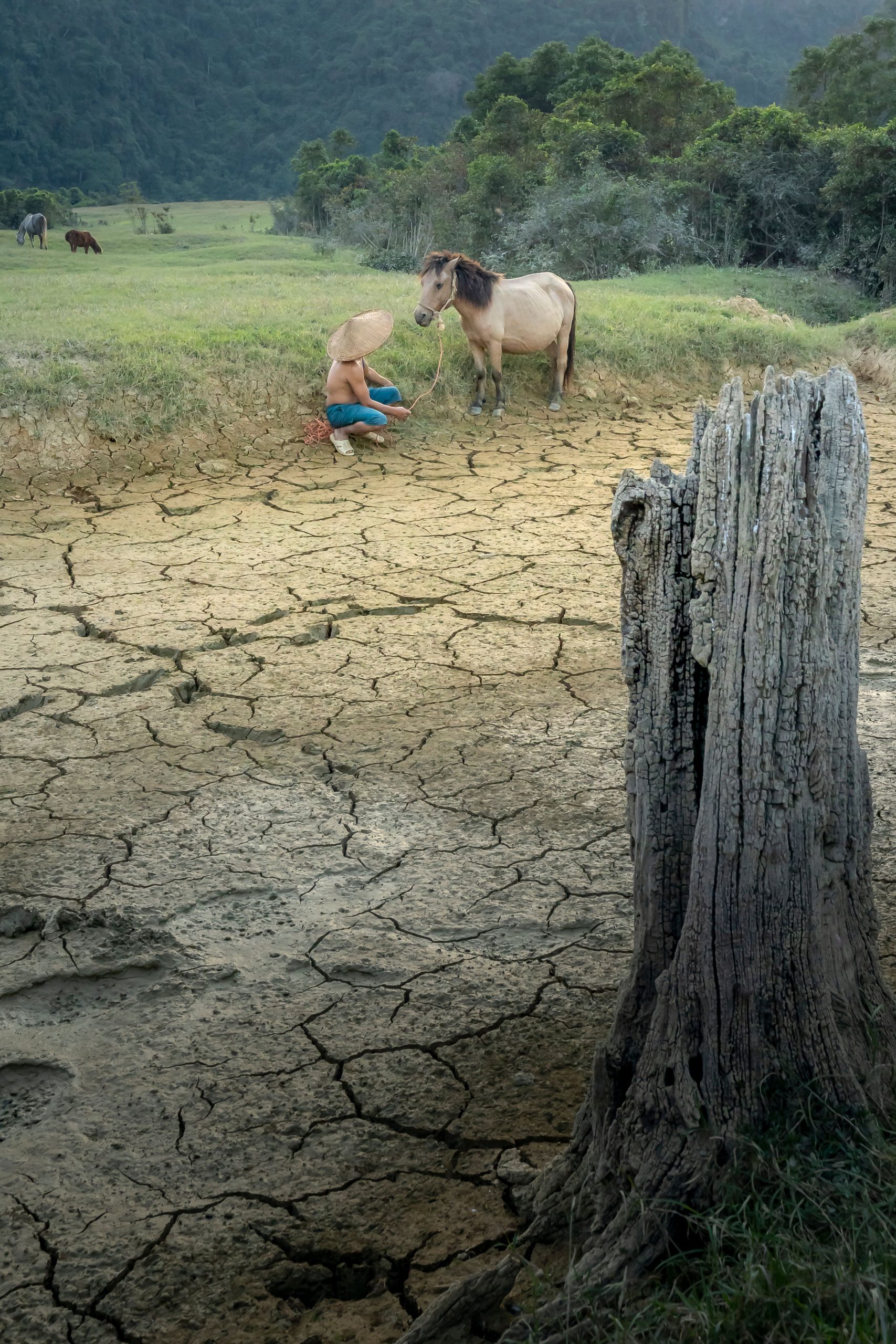

Recognizing an Overgrazed Pasture
Overgrazing happens when livestock are left on a pasture too long or with too little rest between grazing periods, gradually weakening desirable grass species until bare patches, weeds, and erosion take hold. Recognizing the signs early makes renovation far less costly than waiting until the damage is severe.
Give the Pasture a Rest
The single most important step in renovating overgrazed pasture is removing livestock long enough for desirable grasses to recover and rebuild root reserves. Depending on severity, this rest period can range from several weeks to an entire growing season.
Assess and Address Soil Health
A soil test will reveal whether compaction, low fertility, or improper pH is contributing to poor pasture recovery, and addressing these underlying issues gives new or recovering grass the best chance to thrive. Aerating compacted soil can also improve water infiltration and root growth.
Overseeding vs. Full Renovation
If some desirable grass remains, overseeding, meaning planting additional seed directly into existing sod, can thicken stands without the cost and effort of full pasture renovation. Severely damaged pastures with mostly bare ground or weeds often need full renovation, including tillage and reseeding from scratch.
Choosing the Right Seed Mix
Select grass and legume species suited to your climate, soil type, and intended grazing use, since a mismatch between seed selection and site conditions is a common reason pasture renovation projects fail. Local extension recommendations are invaluable for choosing regionally appropriate species.
Preventing Future Overgrazing
Implementing a rotational grazing system with adequate rest periods between grazing events is the best long-term defense against overgrazing recurring. Stocking rates that match your land’s actual carrying capacity, rather than pushing beyond it, protect your renovation investment for years to come.
Browse our feed and nutrition products to support livestock while pasture recovers. For pasture renovation and reseeding guides, the Cooperative Extension System offers detailed regional plans.