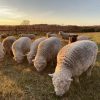
Miniature Babydoll Southdown Sheep for Sale
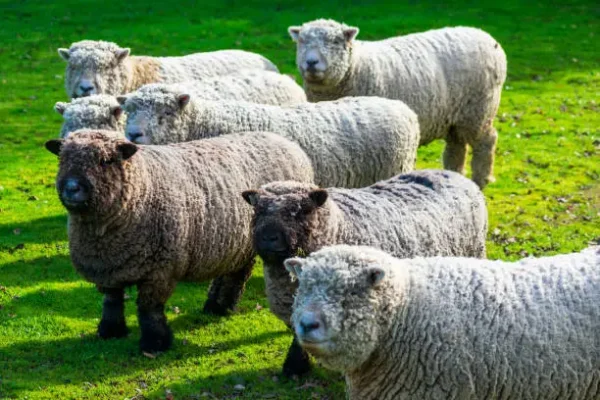
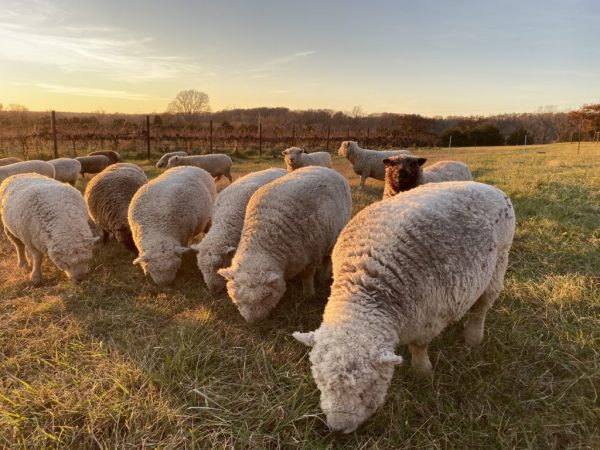
Looking for a small, friendly, easy-to-manage sheep breed with real heritage behind it? Our Miniature Babydoll Southdown sheep are healthy, well-socialized, and available at affordable prices direct from our Houston, TX farm — no bidding, no waiting on auction dates. We offer rams (males), ewes (females), lambs (babies), and wethers (castrated males), so you can find exactly what fits your flock or homestead.
Available Types
- Rams — Intact males, ideal for breeding programs
- Ewes — Females, suitable for breeding or wool/companion flocks
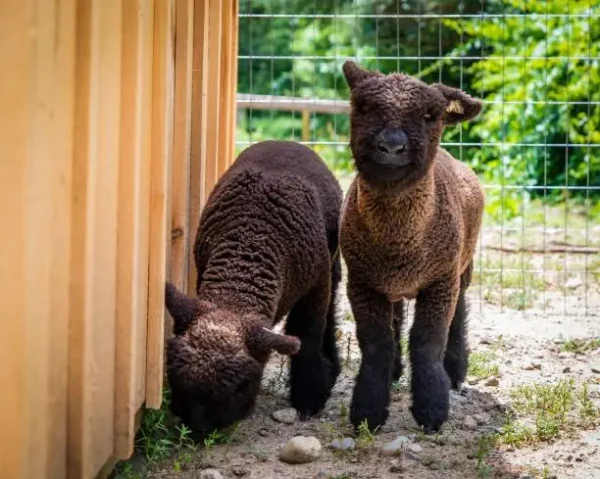
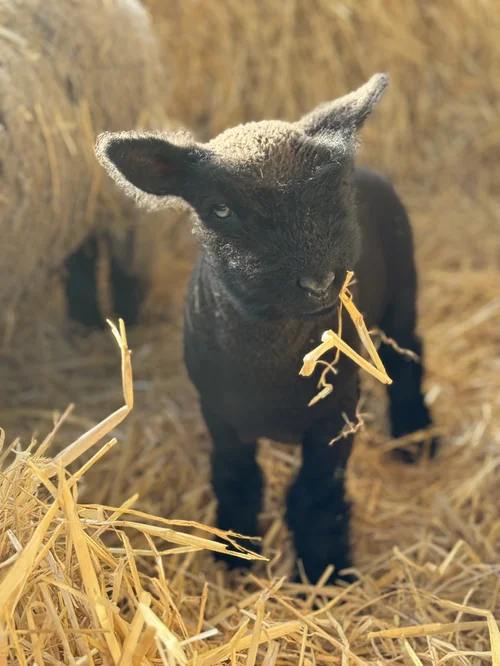
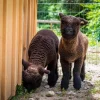
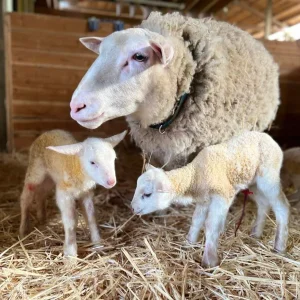
- Lambs — Babies, perfect for those starting a flock young or bottle-raising
- Wethers — Castrated males, calm and easygoing, popular as pasture companions, 4-H/showmanship projects, or low-maintenance lawn care
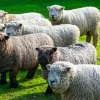
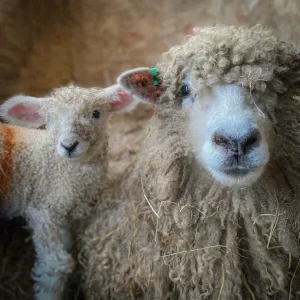
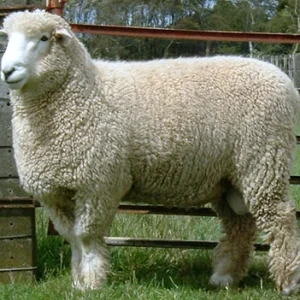
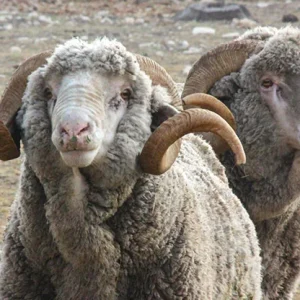
Breed Overview Miniature Babydoll Southdown sheep are one of the smallest sheep breeds in the world, typically standing 18–24 inches at the shoulder when shorn. Known for their round, “teddy-bear” faces, wooly coats, and famously docile, friendly temperament, they’re a favorite among homesteaders, small-acreage farmers, and families alike. Despite their small size, they’re a hardy heritage breed, well-suited to a wide range of climates.
Breed History
The History of the Babydoll Southdown
The Southdown is one of the oldest sheep breeds in England, originating in the South Downs of Sussex County where they thrived on low-nutrition heathland and produced fine, high-priced wool alongside flavorful meat. In 1780, breeder John Ellman began standardizing the Southdown, and by 1908 the breed had grown to roughly 367 registered flocks totaling about 110,000 ewes in England. World War I brought a sharp decline in their numbers, and by the end of World War II, rising demand for larger cuts of meat had nearly pushed the breed to extinction as farmers crossbred them into bigger, leggier sheep.
In 1986, breeder Robert Mock set out to track down the few remaining sheep that still matched the original, smaller 18th-century Southdown build. After a difficult four-year search, he located just two small flocks totaling 26 sheep — eventually growing that pool to around 350 animals, many still carrying their original Southdown registration papers. To distinguish these smaller sheep from the modern, larger Southdown, Mock named them “Olde English Babydoll Southdowns,” and a breed registry was formed to preserve the line. Today, the Babydoll Southdown is prized far beyond meat production — valued in the companion-animal and 4-H markets, and used in vineyards, orchards, and organic farming for natural weed control, all while carrying forward one of England’s oldest sheep bloodlines.
Why Choose Our Babydoll Southdowns
- Raised with proper nutrition, routine health checks, and veterinary oversight
- Socialized from birth, making them easy to handle for beginners and experienced keepers alike
- Priced affordably — a budget-friendly entry point into raising sheep without sacrificing health or quality
- Direct sale with clear, upfront pricing — no auction bidding required
- Carrying one of England’s oldest sheep bloodlines, preserved since the 1780s
Basic Care Guide
Feeding: Babydoll Southdowns do well on quality pasture grass and hay, supplemented with a small amount of sheep-specific grain if needed — avoid goat feed, which contains copper levels that are toxic to sheep. Fresh water should always be available.
Shelter: A simple three-sided shelter or barn is sufficient to protect them from wind, rain, and extreme heat.
Fencing: A secure perimeter fence at ground level is important — less to keep them in, more to keep predators out.
Grooming: Their wool should be sheared once a year, typically in spring, to prevent overheating and matting.
Health: Routine hoof trimming (every 6–8 weeks), regular deworming, and annual vaccinations (such as CDT) help keep your flock healthy.
Companionship: Sheep are herd animals and do best with at least one other sheep companion.
Health & Guarantee Every sheep we sell is health-checked prior to sale and covered under our 48-hour health guarantee for pre-existing conditions.
Ready to Add a Babydoll to Your Flock? Place an order now!
Reviews
There are no reviews yet.