
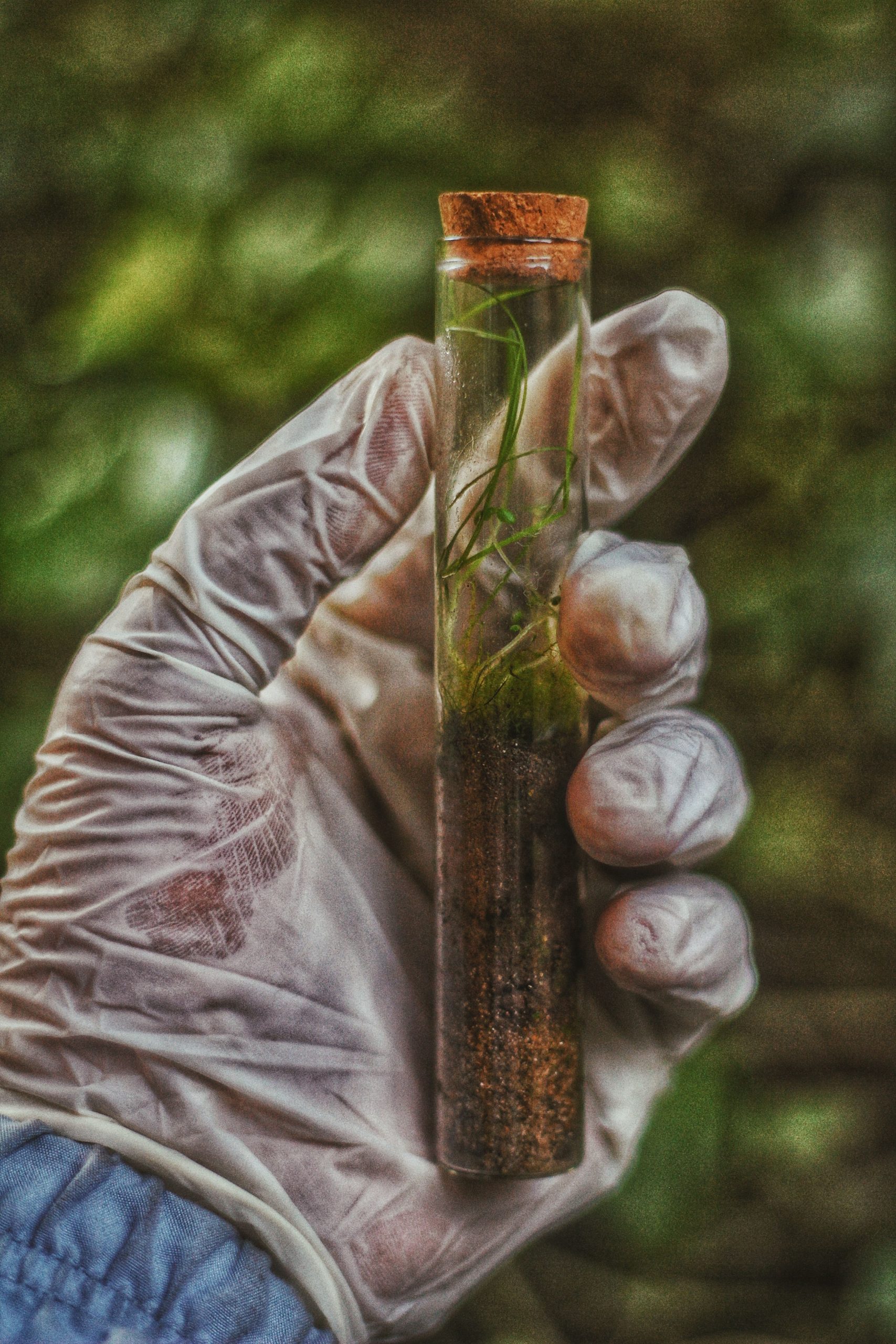

Why Test Pasture Soil?
Healthy pasture starts below the surface, and a simple soil test reveals nutrient deficiencies and pH imbalances that visual inspection alone can never catch. Testing every few years helps you apply exactly what your soil needs, rather than guessing or wasting money on unnecessary amendments.
How to Take a Soil Sample
Collect multiple small soil cores from across a pasture at a consistent depth, typically four to six inches, and mix them together into one composite sample for testing. Sampling several spots and combining them gives a more accurate average than testing a single location, since nutrient levels can vary significantly across a field.
Understanding pH
Soil pH affects how available nutrients are to growing plants, and most pasture grasses and legumes perform best in a slightly acidic to neutral range. If soil is too acidic, lime application can correct pH over time, unlocking nutrients that are otherwise poorly available to plants.
Key Nutrients to Watch
Phosphorus and potassium are commonly tested alongside pH, since deficiencies in these nutrients directly limit pasture growth and forage quality. Nitrogen is more difficult to test accurately due to its rapid movement through soil, so nitrogen management often relies more on general recommendations for your forage type.
Using Test Results
Most soil testing labs, often through your local extension office, provide specific fertilizer or lime recommendations based on your results and the crop or pasture type you specify. Following these recommendations rather than applying a generic blanket fertilizer program saves money and improves results.
Building a Testing Schedule
Testing pasture soil every two to three years is generally sufficient for most operations, allowing you to track trends over time and adjust management as needed. Testing after major changes, like converting cropland to pasture, is also wise to establish a baseline.
Browse our feed and nutrition products to support your livestock as you improve pasture quality. For soil testing services, contact your local Cooperative Extension office.