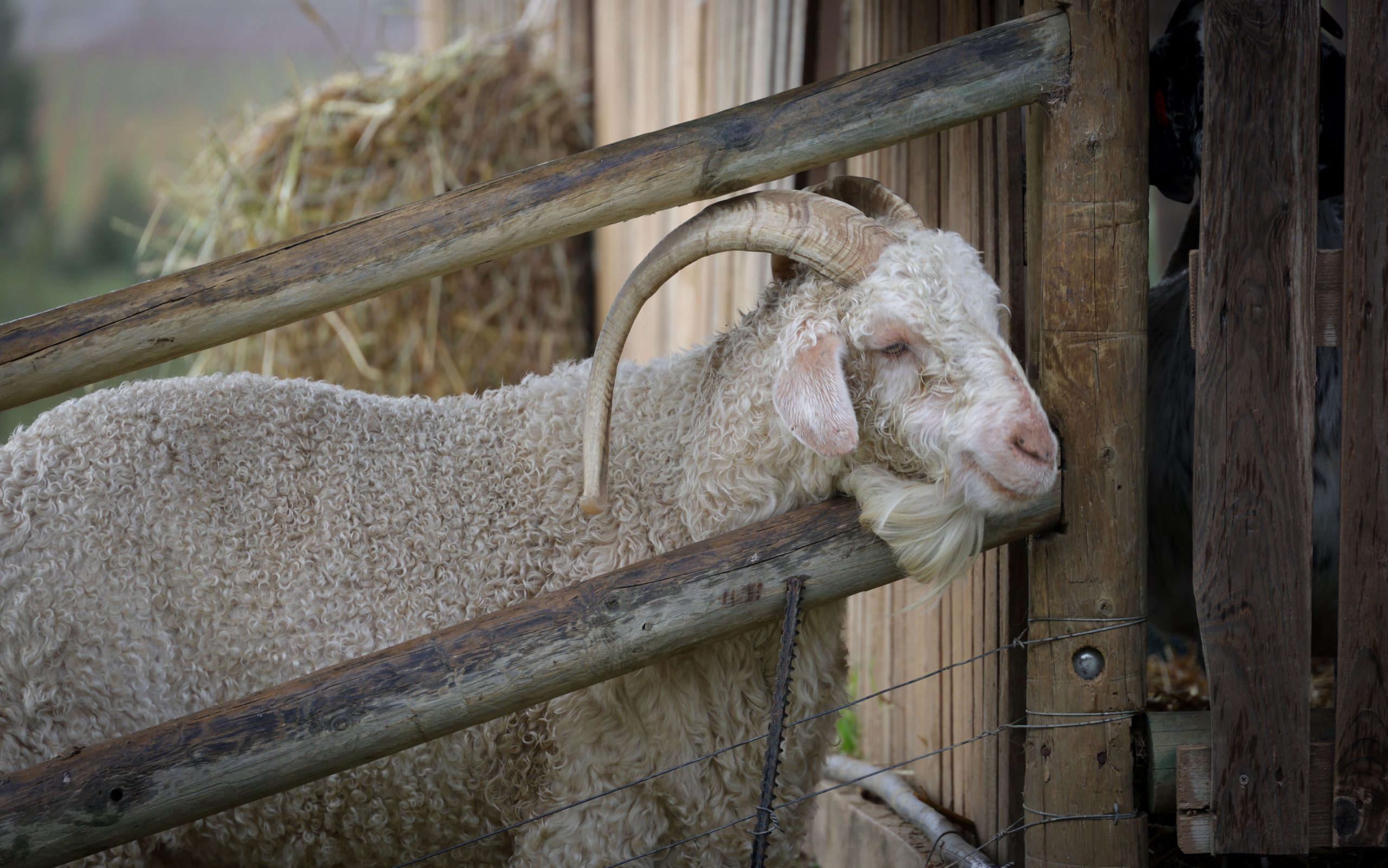

Goats have earned their reputation as escape artists for good reason. If there’s a weak spot, a low spot, or a gap in a fence, a determined goat will find it. Building the right fencing system from the start saves endless frustration.
Why Standard Fencing Often Fails With Goats
Goats are agile climbers and jumpers, and they’ll test any fence with their heads, testing for weaknesses by pushing, rubbing, or climbing. Cattle panels or barbed wire designed for larger, less agile livestock often aren’t sufficient on their own for goats, especially horned breeds that can get their heads caught in the wrong type of woven wire.
Woven Wire Fencing
A properly installed woven wire fence, often called “goat fence” or “field fence,” with small enough openings to prevent heads from getting stuck, is one of the most reliable options for permanent goat enclosures. Look for a graduated mesh pattern with smaller openings near the bottom, and a fence height of at least 4 feet, taller for particularly athletic breeds or bucks.
Electric Fencing
Multi-strand electric fencing, typically 4 to 5 strands, is a popular and cost-effective option, particularly for rotational grazing setups. Goats learn quickly to respect a properly charged electric fence, but it requires consistent maintenance, since a fence that loses its charge due to vegetation contact or a dead battery quickly stops being an effective deterrent.
Combination Systems
Many experienced goat producers use a combination approach: permanent woven wire perimeter fencing to contain the herd overall, with portable electric netting for rotational grazing within pastures. This gives you the security of a permanent barrier along with the flexibility to manage grazing more intensively.
Common Fencing Mistakes
- Fencing too short. A fence under 4 feet is an invitation for an athletic goat to jump.
- Gaps at ground level. Goats will find and exploit any gap large enough to squeeze under or through.
- Ignoring corner and gate weaknesses. Corners and gates are often the first place a goat tests and escapes.
- Using unsuitable woven wire. Wire with large square openings can trap horned goats’ heads, leading to injury.
Fencing for Predator Protection Too
Good fencing isn’t just about keeping goats in, it’s also about keeping predators out. Combining solid perimeter fencing with a livestock guardian dog provides much stronger protection than either measure alone. If predator pressure is a concern in your area, consider adding a guardian dog to your fencing plan for complete coverage.
Building a Fence That Lasts
Investing in quality materials and proper installation upfront costs more initially but saves significant time and frustration chasing escaped goats down the road. Whether you choose woven wire, electric fencing, or a combination system, matching the fence to your specific herd’s size, breed, and terrain is the key to long-term success.
Ready to start or expand your herd behind a solid fence? Browse our current goats for sale, and consider a livestock guardian dog for extra predator protection.