
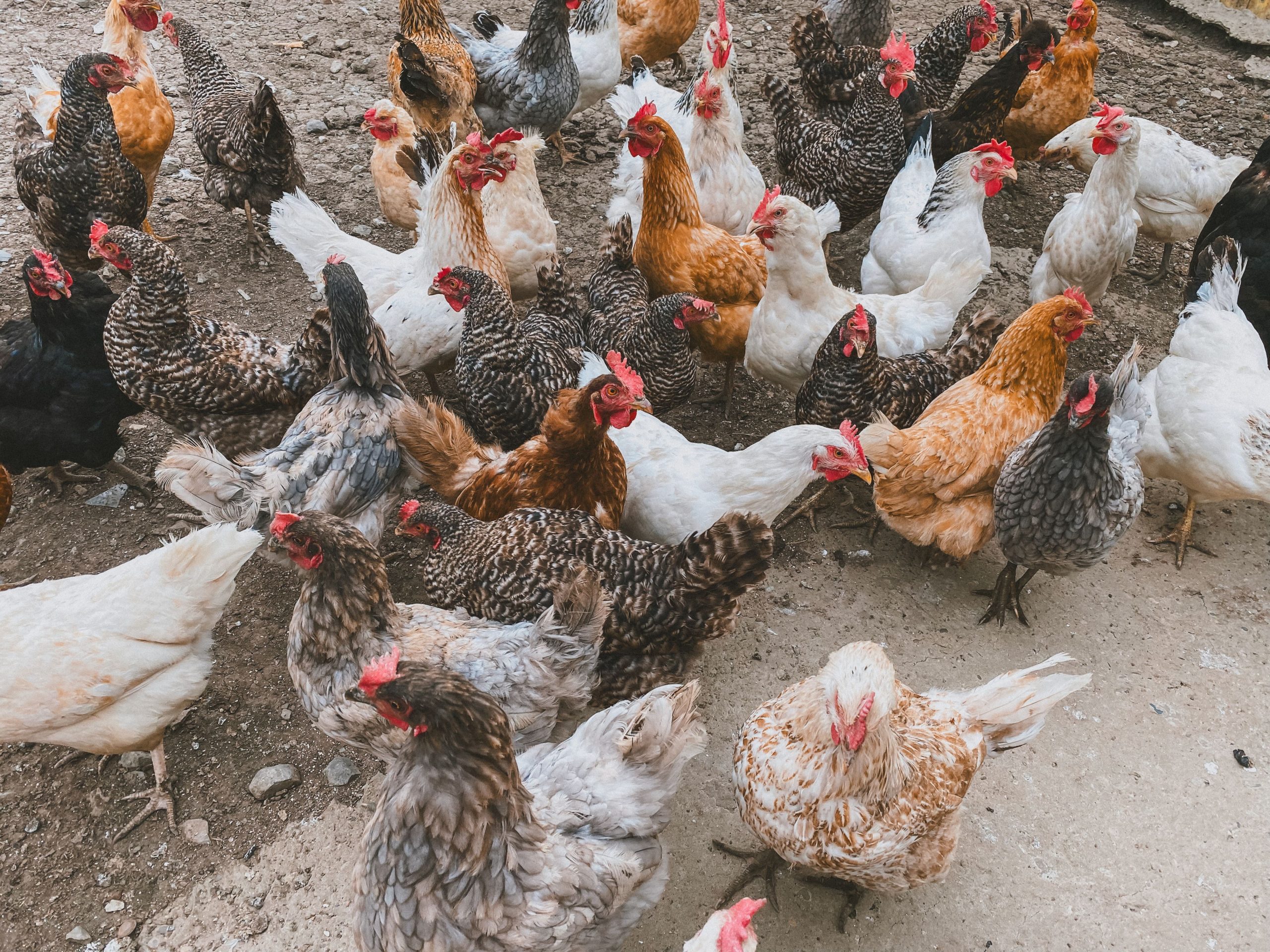

Chickens have a strict pecking order, and introducing new birds to an existing flock without a plan almost always leads to bullying, injury, or worse. Here is how to do it safely.
Why Chickens Attack New Flock Members
Chickens establish a rigid social hierarchy, and any new bird is seen as an outsider threatening that established order. Without a proper introduction process, existing flock members will often gang up on newcomers, sometimes causing serious injury or even death.
Quarantine First, Always
Before any introduction begins, new birds should be quarantined separately for at least two to three weeks, both to protect your existing flock from potential disease and to allow you to observe the new birds for signs of illness. This step should never be skipped, even when birds come from a source you trust.
The “See But Do Not Touch” Method
After quarantine, place new birds in a separate but adjacent enclosure where they can see and be seen by the existing flock without physical contact. This allows both groups to get used to each other visually and reduces the shock of a sudden direct introduction. This stage typically lasts one to two weeks.
Nighttime Introductions
Many experienced keepers introduce new birds directly onto the roost after dark, when the existing flock is calm and less likely to notice or react aggressively to a new bird among them. By morning, the flock often accepts the new arrivals with less drama than a daytime introduction would cause.
Supervised Daytime Integration
Once initial nighttime introductions have gone reasonably well, supervise the flock during the day for the first several sessions, watching for excessive pecking, chasing, or one bird being ganged up on repeatedly. Some pecking order establishment is normal, but sustained, one-sided aggression toward a specific bird requires intervention.
Giving New Birds an Escape Route
Providing multiple feeding and watering stations, along with hiding spots or barriers within the run, gives new or lower-ranking birds places to retreat during the adjustment period, reducing the risk of cornering and serious injury.
Signs the Introduction Is Failing
- One bird being relentlessly targeted by multiple flock members.
- Visible injuries, especially around the head or back.
- A new bird hiding constantly and refusing to eat or drink.
If you see these signs, separate the affected bird immediately and slow down the integration process, restarting with a longer “see but do not touch” period before trying again.
Patience Leads to a Peaceful Flock
Most successful integrations take two to four weeks from quarantine through full acceptance. Rushing this process is the most common reason introductions fail, so plan ahead and give your flock the time it needs to sort out a new social order peacefully.
Looking to add new birds to your flock? Browse our current hens for sale.


