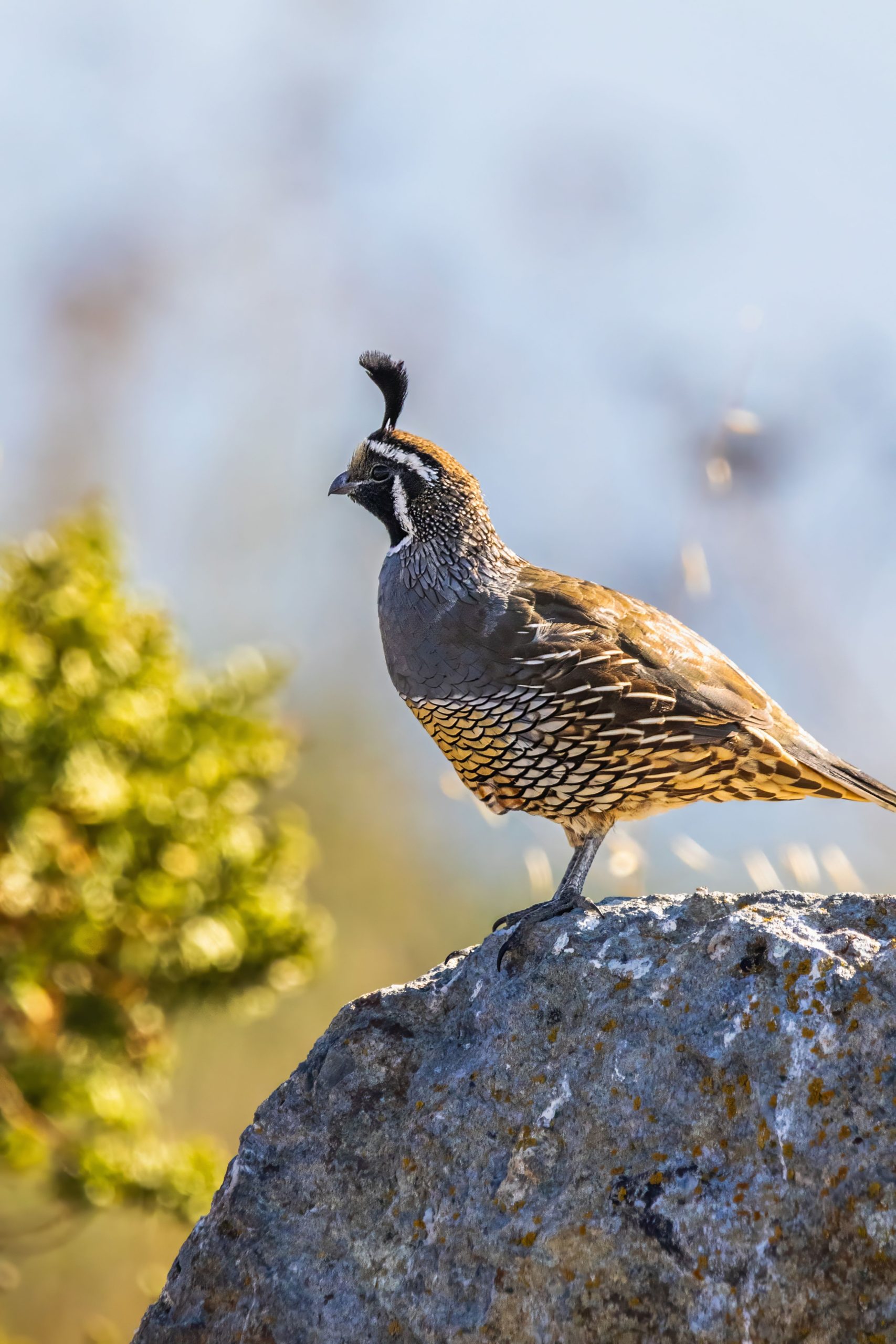

For farmers and homesteaders working with limited space, quail offer a surprisingly productive option for both eggs and meat, requiring a fraction of the room needed for chickens.
Why Raise Quail?
Coturnix quail, the most common variety raised for production, reach laying age in just 6 to 8 weeks, dramatically faster than chickens, which typically take 5 to 6 months. A single quail hen can lay close to 300 small eggs per year, and quail meat, while modest in portion size per bird, has a devoted following for its rich flavor.
Space Requirements
Quail need far less space than chickens, generally around 1 square foot per bird in a well-designed cage or pen system, compared to the several square feet chickens require. This makes quail an attractive option for producers with limited land, including urban and suburban settings where local regulations may restrict chickens but allow quail.
Housing Considerations
Quail are typically raised in raised wire cages or secure pens with solid tops, since they are prone to injuring themselves by flying straight up when startled. A soft netting or padded ceiling helps prevent head injuries in cage systems. Unlike chickens, quail generally do not need roosts, as they prefer to stay near ground level.
Feeding Quail
Quail have higher protein requirements than chickens, typically needing a 24 to 28 percent protein game bird feed, especially for growing birds and laying hens. A dedicated game bird feed, rather than standard chicken feed, better supports their nutritional needs and egg production.
Incubating and Hatching
Coturnix quail eggs incubate in about 16 to 18 days, notably faster than the 21 days needed for chicken eggs. Because most quail have had their natural brooding instinct reduced through domestication, artificial incubation is typically necessary for reliable hatching.
Common Challenges
- Flightiness – Quail startle easily and can injure themselves against cage tops, making padded or soft ceilings important.
- Sexing difficulty in some breeds – While many Coturnix color varieties can be sexed by feather pattern, others require closer examination.
- Short lifespan for production – Quail hens typically produce well for about a year before egg production declines significantly.
Is Quail Farming Right for You?
If you are working with limited space but want fast production and quick returns, quail are worth serious consideration. Their rapid growth cycle and modest space requirements make them one of the most efficient small-scale poultry options available.
Interested in adding poultry to your small farm? Browse our current poultry for sale.