
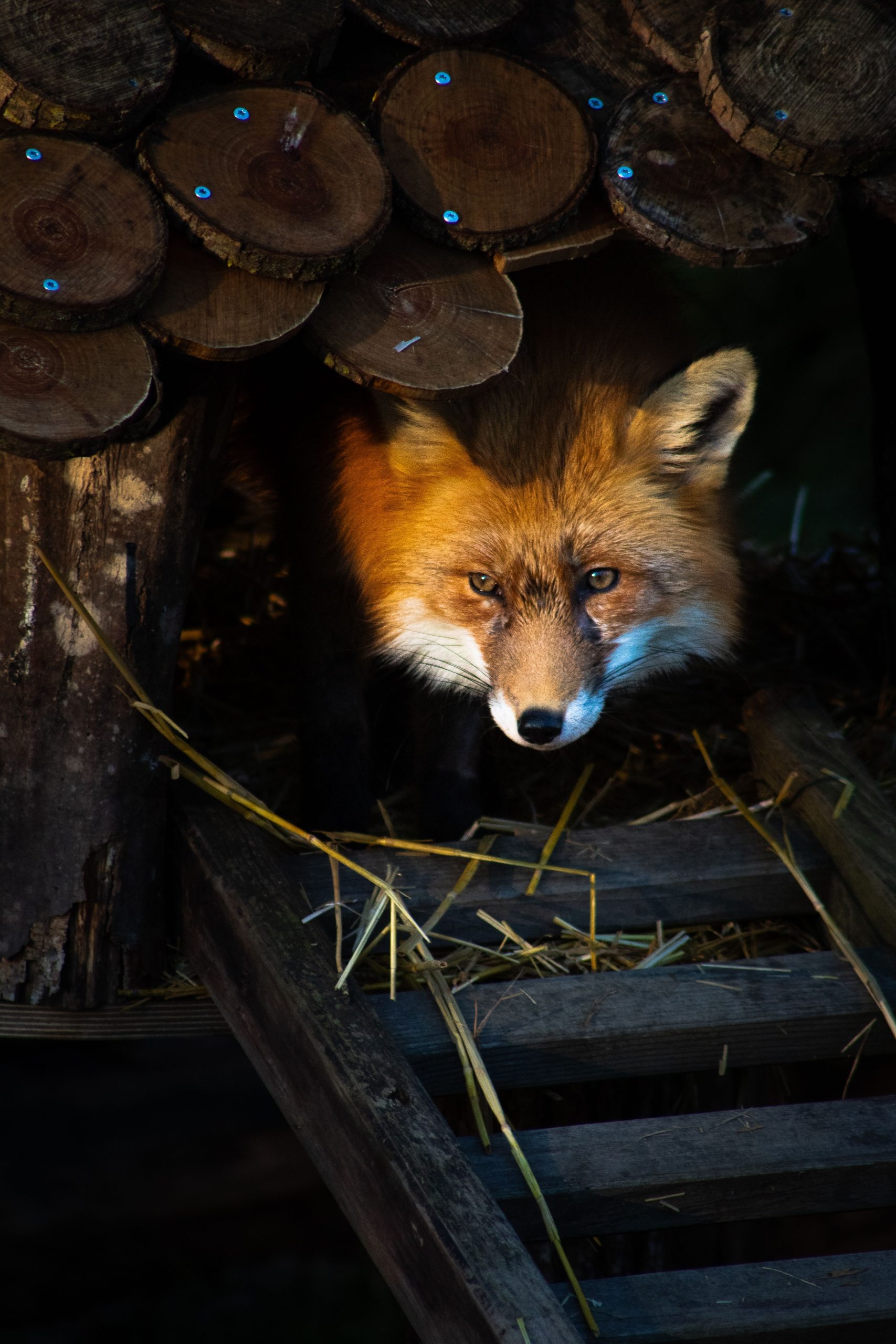

Few things are more discouraging for a poultry keeper than losing birds to a predator attack. Foxes, hawks, raccoons, and stray dogs all view a poultry flock as an easy meal, but a layered protection strategy can dramatically reduce your losses.
Know Your Local Predators
Daytime threats often come from hawks and other birds of prey, while nighttime threats typically involve foxes, raccoons, opossums, and weasels. Understanding which predators are active in your area, and when, helps you target your protection efforts effectively rather than guessing.
Secure Nighttime Housing
A predator-proof coop is the single most important layer of protection. This means solid walls, a secure latching door (raccoons are notoriously skilled at opening simple latches), and hardware cloth rather than lighter chicken wire over any openings, since chicken wire alone will not stop a determined raccoon or weasel. Bury hardware cloth several inches into the ground around the coop perimeter to prevent digging predators from tunneling underneath.
Overhead Protection for Daytime Range
Aerial predators like hawks are a serious daytime threat, especially for free-range flocks. Overhead netting, a covered run, or reflective deterrents can help, though the most reliable protection combines some form of overhead cover with reducing the time birds spend fully exposed in open areas.
Electric Poultry Netting
Portable electric poultry netting is an effective barrier against ground predators like foxes and coyotes, particularly for pasture-based or rotational systems where permanent fencing is not practical. Keeping the netting properly charged is essential, since a de-energized fence provides little real deterrence.
Livestock Guardian Dogs
A well-trained livestock guardian dog can dramatically reduce predator losses for free-range and pasture-raised flocks, patrolling and deterring threats around the clock in a way that fencing alone cannot. Poultry-specific socialization is important, since young or improperly trained guardian dogs can pose their own risk to birds before they mature and learn appropriate behavior.
Reducing Attractants
Spilled feed attracts rodents, which in turn attract predators looking for an easy meal near your coop. Keeping feed stored securely, cleaning up spills promptly, and managing rodent populations around your poultry area removes some of the incentive for predators to linger nearby in the first place.
Locking Up at Dusk
Most predator losses happen when birds are left out after dark. A consistent routine of closing the coop at dusk, or an automatic coop door timed to close at sunset, eliminates one of the most common and preventable causes of poultry predation.
Building a Layered Defense
No single measure eliminates predator risk entirely, but combining secure housing, appropriate fencing, and a guardian dog where feasible provides strong, reliable protection for your flock. Ready to add a guardian dog to your predator protection plan? Browse our current livestock guard dogs for sale and hens for sale.


