
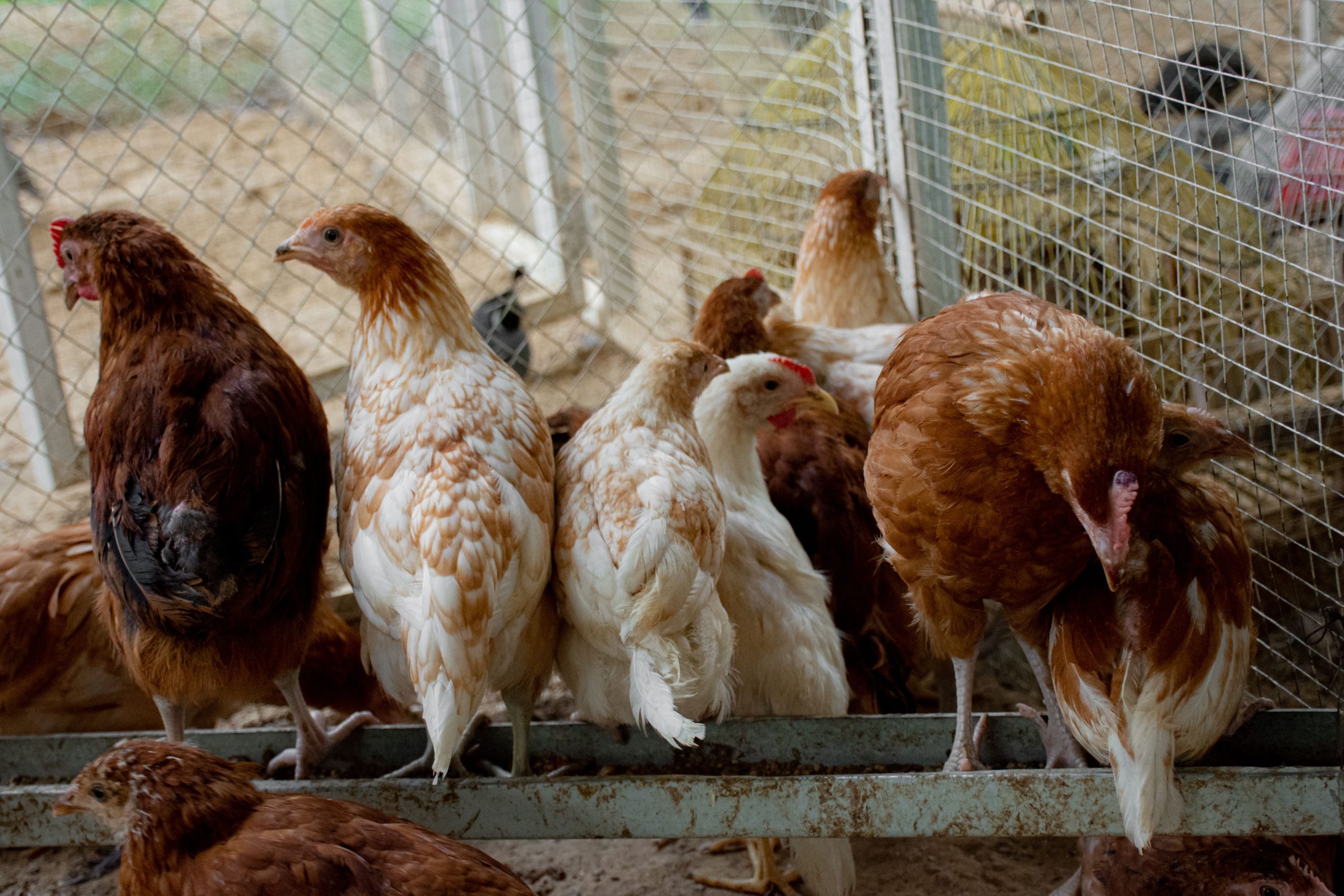

Free-range, pasture-raised, and caged are three very different poultry systems, each with real tradeoffs in cost, labor, egg quality, and bird welfare. Understanding the differences helps you choose the right system for your farm and your customers.
Caged Systems
Traditional caged housing keeps birds in wire enclosures, typically indoors, with feed and water delivered directly to the cage. This system offers the lowest labor requirements, easiest egg collection, and the most consistent protection from predators and weather. The tradeoff is minimal natural behavior expression, and consumer demand has shifted noticeably away from caged eggs in recent years.
Free-Range Systems
Free-range typically means birds have some access to the outdoors, though the actual amount of outdoor space and the quality of that space varies enormously between operations and how the term is used. Birds can express more natural behaviors like scratching, dust bathing, and foraging, but predator exposure increases and egg collection requires more labor since birds may lay in various outdoor spots.
Pasture-Raised Systems
Pasture-raised generally implies a more intensive outdoor system than free-range, often with birds housed in mobile coops or “chicken tractors” that are moved regularly across pasture. This allows hens to forage actively on fresh ground, supplementing their diet with insects and greens while also spreading manure more evenly across the land. It requires the most labor and infrastructure of the three systems but often produces the richest-tasting eggs and the most robust bird welfare outcomes.
Comparing Egg Quality
Research and anecdotal experience consistently show that eggs from birds with genuine outdoor access and varied diets, particularly pasture-raised systems, tend to have richer, more orange yolks and different fatty acid profiles compared to eggs from caged hens fed a uniform diet. However, the term “free-range” alone does not guarantee this difference if outdoor access is minimal or of poor quality.
Cost and Labor Comparison
- Caged: Lowest labor and infrastructure cost, most predictable production.
- Free-range: Moderate labor increase, moderate infrastructure for secure outdoor access.
- Pasture-raised: Highest labor and infrastructure investment, including mobile housing and frequent moves, but often commands premium pricing.
Predator Management by System
Caged birds are the most protected from predators by default. Free-range and pasture-raised systems require active predator management, secure night housing, electric poultry netting, and often a livestock guardian dog, to keep losses manageable while still allowing birds outdoor access.
Choosing the Right System for Your Farm
Your decision should weigh your available land and labor, your target market and the premium it will support, and your priorities around bird welfare. Many small producers find that a pasture-based system, despite the added labor, better matches customer expectations and commands pricing that justifies the extra investment.
Looking to start a pasture-based flock? Browse our current hens for sale and consider a livestock guardian dog for predator protection.


