
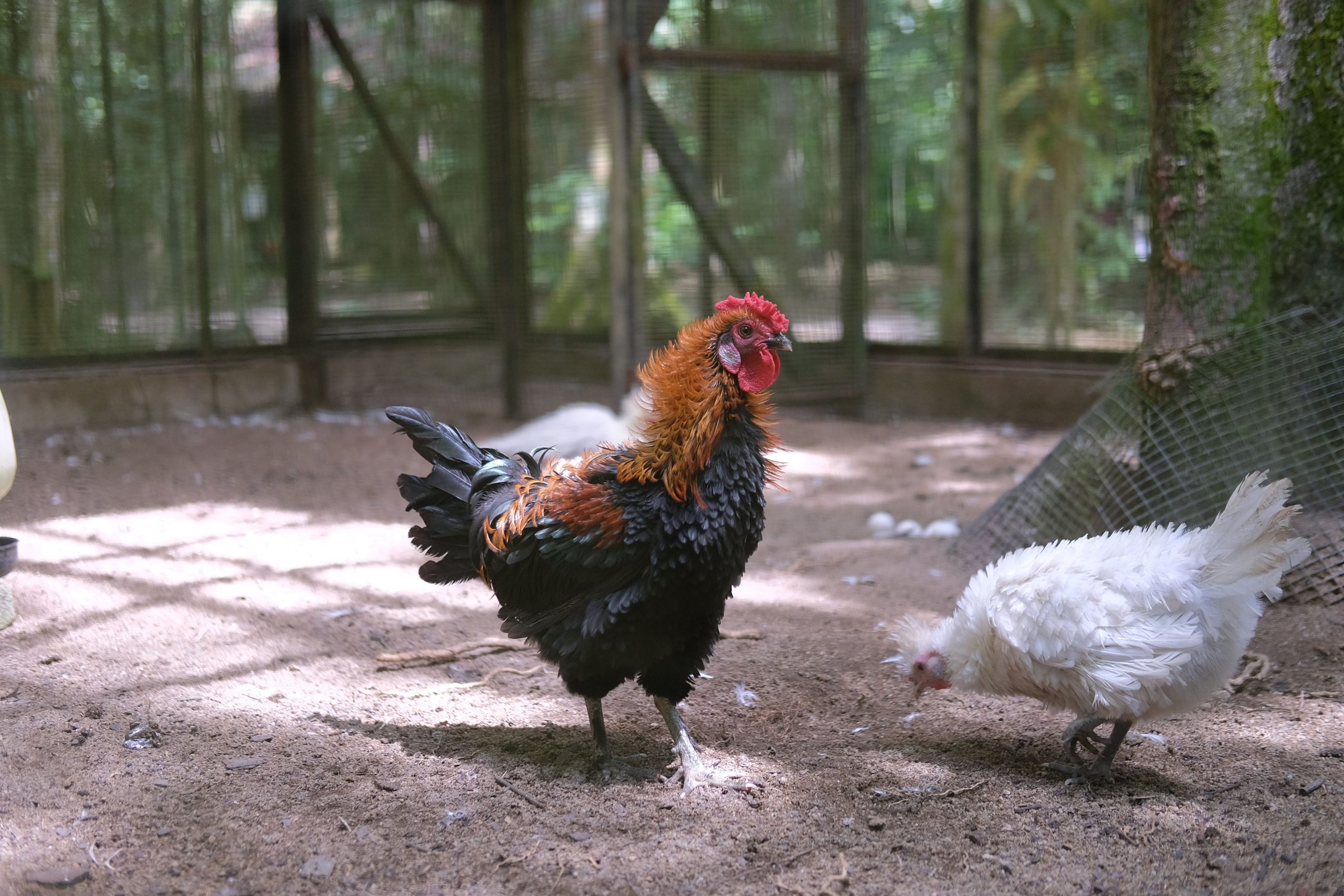

If your hens suddenly stop laying and start looking a little rough around the edges, do not panic, they are likely molting. This natural annual process can alarm new chicken keepers, but understanding what is happening helps you support your flock through it.
What Is Molting?
Molting is the natural process of shedding old feathers and growing new ones, typically occurring once a year, usually in fall as daylight hours shorten. It is a normal part of a chicken’s life cycle, refreshing the feather coat before winter.
Why Egg Production Stops
Growing new feathers requires significant protein and energy, resources a hen’s body diverts away from egg production during the molt. Most hens stop laying entirely for several weeks to a couple of months while they focus on regrowing feathers, resuming production once the molt is complete.
What a Molting Hen Looks Like
Expect to see feathers scattered around the coop and run, patchy or thin-looking areas on the body, and a generally disheveled appearance compared to a hen in full feather. This is completely normal and typically resolves within 8 to 12 weeks, though it varies by individual bird.
Hard Molt vs Soft Molt
Some hens go through a dramatic “hard molt,” losing feathers quickly and looking notably bare in places, while others experience a “soft molt,” losing and regrowing feathers so gradually it is barely noticeable. Both are normal variations, and neither indicates a health problem on its own.
Supporting Your Flock Through Molt
Since feather regrowth demands extra protein, switching to a higher-protein feed, generally 18 to 20 percent protein, during the molting period supports faster, healthier regrowth. Some keepers offer additional protein sources like mealworms or scrambled eggs as a supplemental treat during this time.
Reducing Stress During Molt
Molting hens can be more vulnerable to stress and pecking from flock mates, since exposed pin feathers (the new feather shafts growing in) can be sensitive and are sometimes targeted by other birds. Providing adequate space, reducing handling, and watching for excessive pecking helps molting birds through this vulnerable period.
When to Be Concerned
While molting itself is normal, a hen that also shows lethargy, loss of appetite, or other illness signs alongside feather loss should be evaluated separately, since molting alone should not cause significant behavior changes beyond reduced egg laying and a scruffier appearance.
Getting Through Molt Season
Understanding molting as a normal, temporary part of your flock’s yearly cycle helps you avoid unnecessary worry and better support your hens through it with appropriate nutrition and a calm environment. Egg production will return once the molt completes and feathers are fully regrown.
Building or refreshing your flock? Browse our current hens for sale.


