
Nutrition Needs Change with the Seasons
Livestock nutritional requirements shift throughout the year based on temperature, pasture availability, and production stage, meaning a single year-round feeding plan rarely serves animals well. Adjusting rations seasonally keeps animals in better condition and often saves money compared to a static approach.
Spring Feeding Considerations
Spring pasture growth is often lush and high in protein but can be low in fiber and cause loose manure or bloat if animals transition too quickly from winter hay to fresh grass. Introducing spring pasture gradually and providing some dry hay alongside fresh grazing helps ease the transition.
Summer Feeding Considerations
Hot weather reduces feed intake in most livestock, so ensuring adequate water access and considering nutrient-dense feed to compensate for reduced consumption becomes important. Grazing during cooler morning and evening hours, with shade available during peak heat, also helps maintain intake.
Fall Feeding Considerations
Fall is an important time to evaluate body condition heading into winter, since animals in poor condition entering cold weather struggle far more than those in good flesh. This is also the season to test hay supplies and plan winter feeding budgets before prices and availability tighten.
Winter Feeding Considerations
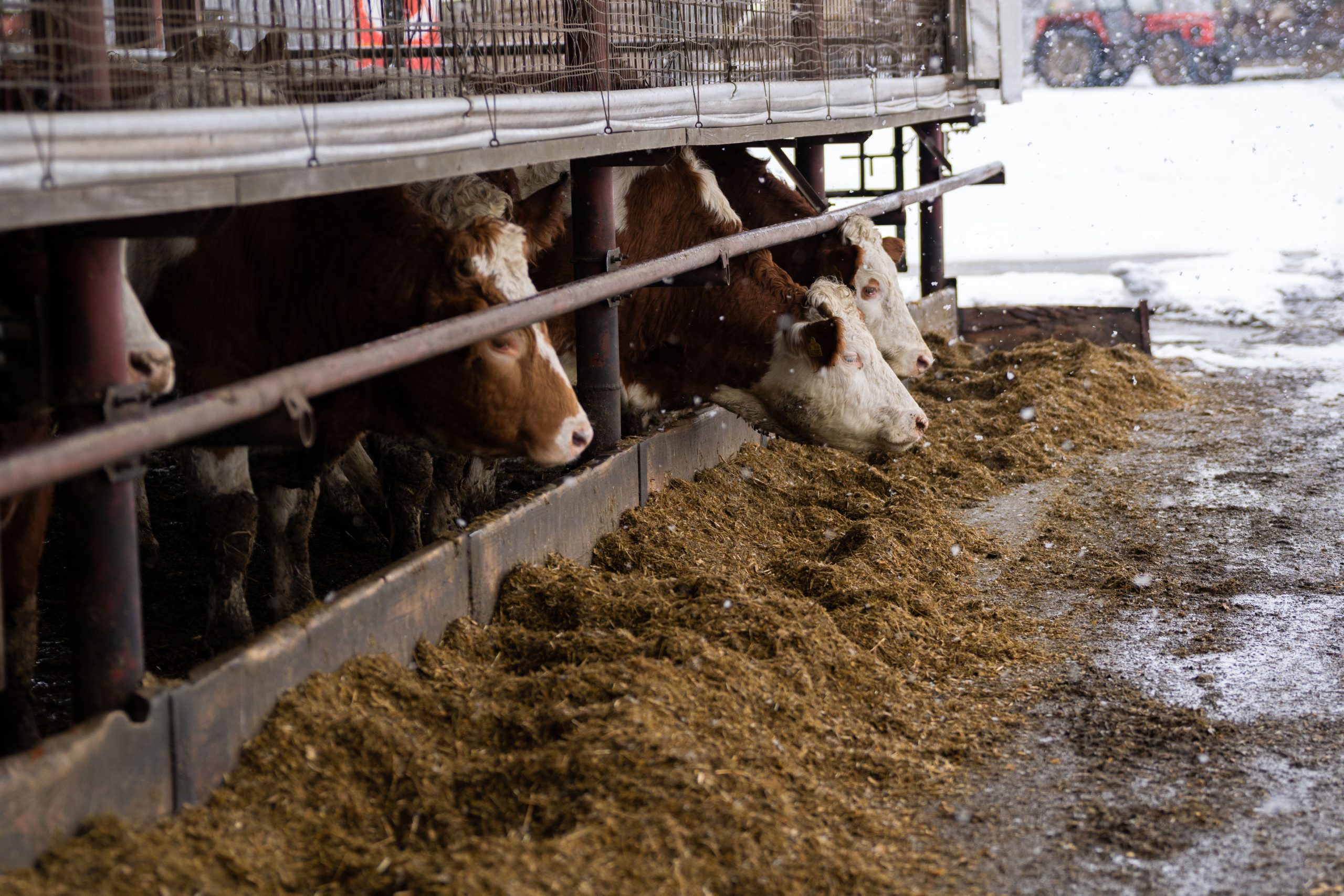
Cold weather significantly increases energy requirements just to maintain body temperature, meaning winter rations often need more energy density than warm-season diets. Providing windbreaks alongside adequate feed helps animals use energy for growth and maintenance rather than purely fighting the cold.
Building a Year-Round Plan
Mapping out expected pasture availability, production stages like calving or lambing, and typical weather patterns for your region helps you proactively adjust rations rather than reacting to problems after they appear.
Shop our full range of livestock feed and nutrition products for every season. For regional seasonal feeding calendars, the Cooperative Extension System is a valuable resource.