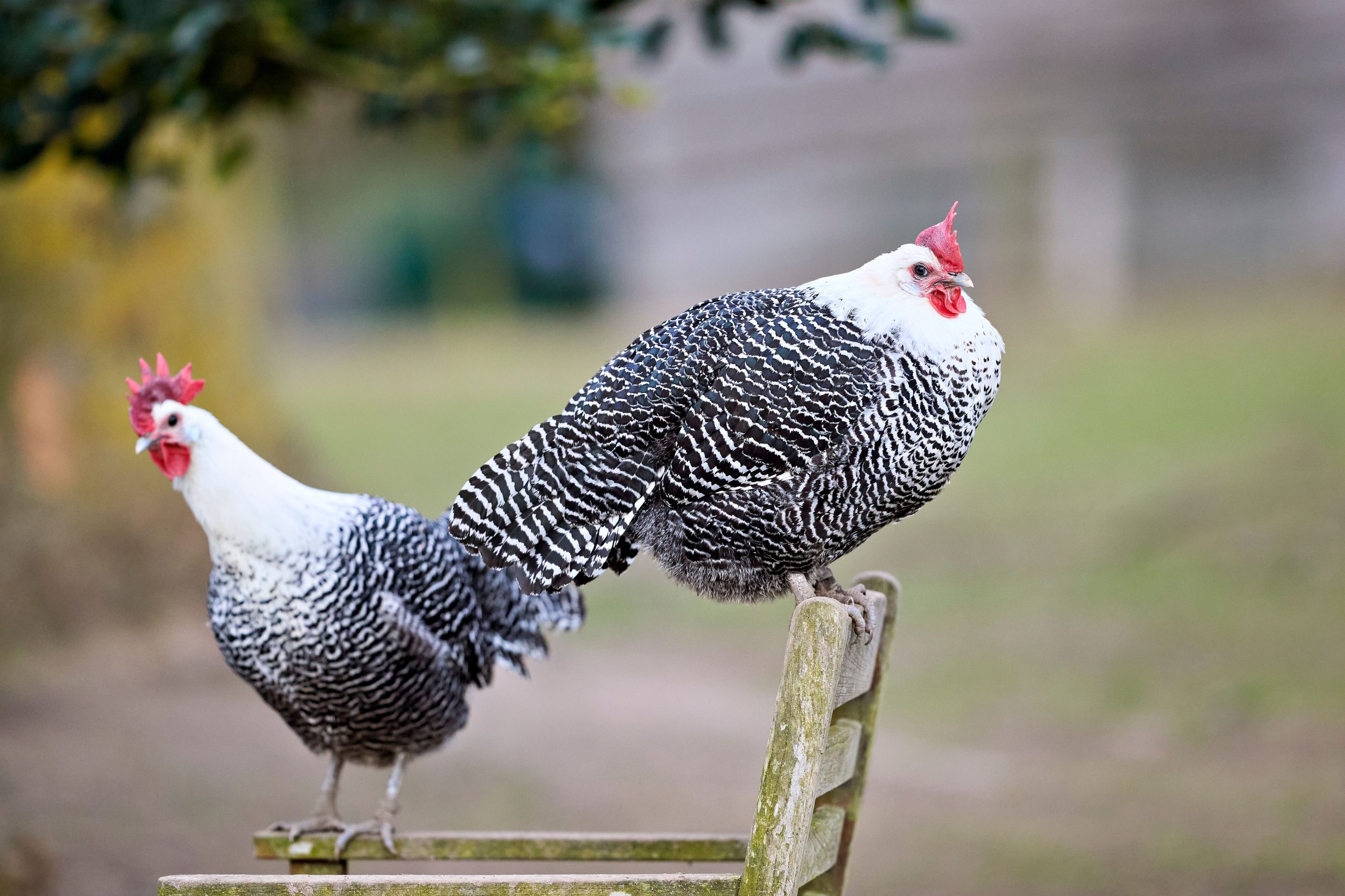

With hundreds of chicken breeds available, choosing the right one for your goals, whether that’s eggs, meat, or both, makes a real difference in how satisfied you’ll be with your flock. Here’s a breakdown of the top performers in each category.
Best Egg-Laying Breeds
- Leghorn – The industry standard for white egg production, laying 280 to 320 eggs per year with minimal feed relative to output.
- Rhode Island Red – A hardy, dual-purpose favorite known for consistent brown egg laying, often 250 to 300 eggs annually, and good cold tolerance.
- Australorp – Renowned for exceptional laying rates, with some documented records exceeding 300 eggs in a year, plus a calm, friendly temperament.
- Golden Comet – A hybrid known for early, prolific laying and easy sexing at hatch, popular with backyard keepers.
Best Meat Breeds
- Cornish Cross – The standard commercial meat bird, reaching market weight in just 6 to 8 weeks due to intensive selective breeding for rapid growth.
- Freedom Ranger – A slower-growing alternative to Cornish Cross, better suited to pasture-based systems and active foraging, ready in about 9 to 11 weeks.
- Bresse – A prized French breed known for exceptional meat quality and flavor, though slower growing and less commonly available in the U.S.
Best Dual-Purpose Breeds
If you want both eggs and a usable carcass from the same bird, dual-purpose breeds are worth considering:
- Plymouth Rock – Reliable brown egg layer with a reasonably good carcass size, calm temperament, and strong cold hardiness.
- Wyandotte – Cold-hardy, decent layer, and a solid meat bird, popular in colder climates.
- Orpington – Known for a friendly, docile temperament, good winter laying, and a respectable carcass size.
Matching Breed to Your Climate and Goals
Cold climates favor cold-hardy breeds like Wyandottes and Rhode Island Reds, which handle winter better than lighter Mediterranean breeds like Leghorns. Hot, humid climates favor breeds with smaller combs and less dense feathering. If pasture-based meat production is your goal, Freedom Rangers or similar slower-growing breeds forage more actively than Cornish Cross birds, which are bred almost exclusively for confinement growth.
Starting Your Flock
Consider your primary goal, egg production, meat, or both, along with your climate and available space, before choosing a breed. Many backyard flocks benefit from a mix of breeds to balance egg production, temperament, and hardiness across the flock.
Ready to start or add to your flock? Browse our current hens for sale to find quality laying stock for your operation.