
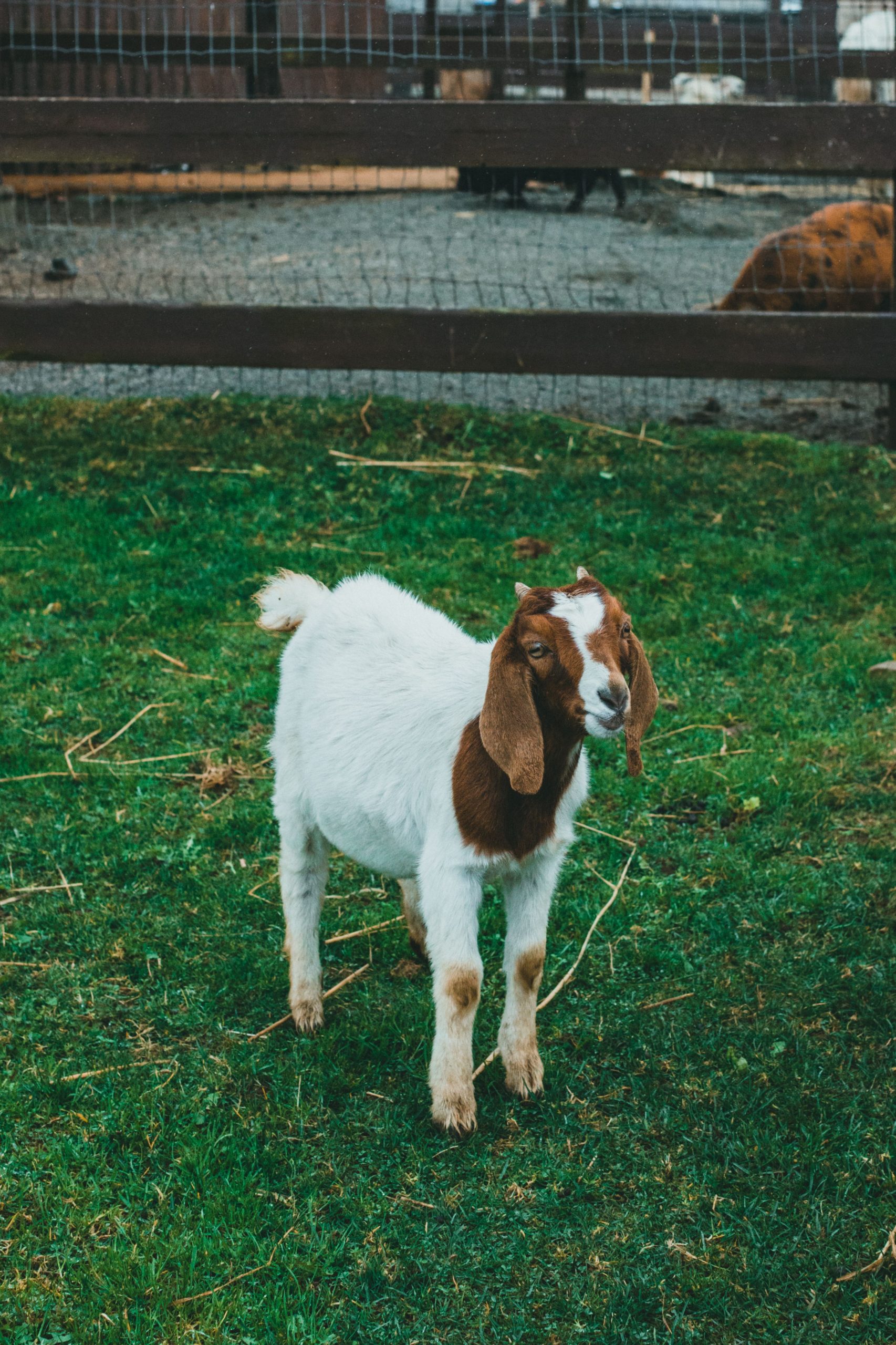

Boer and Kiko goats are two of the most popular meat goat breeds in the U.S., but they were bred with very different priorities in mind. Understanding these differences helps you choose the right breed, or the right cross, for your operation.
Origins and Breeding Goals
Boer goats were developed in South Africa with a primary focus on rapid growth and heavy muscling for meat production. Kiko goats were developed later in New Zealand with an almost opposite priority: hardiness, parasite resistance, and the ability to thrive with minimal management intervention, with meat production as a secondary goal built on top of that foundation.
Growth Rate and Carcass Quality
Boers generally reach market weight faster and produce a heavier-muscled carcass, making them the preferred choice for producers focused on maximizing meat yield per animal. Kikos grow more slowly but still produce quality carcasses, particularly when raised on good forage.
Hardiness and Parasite Resistance
This is where Kikos clearly outperform Boers. Kiko goats were specifically selected for natural parasite resistance and the ability to thrive with minimal deworming intervention, a significant advantage in humid climates where internal parasites are a constant challenge. Boers generally require more attentive parasite management and higher-quality nutrition to perform well.
Mothering Ability
Kiko does are known for strong maternal instincts, easy kidding, and reliable milk production for their kids with minimal assistance. Boer does can also be good mothers, but the breed’s heavier build sometimes contributes to more kidding difficulties compared to the leaner-built Kiko.
Management Intensity
Boers tend to reward more intensive management, quality pasture, supplemental feed, and closer veterinary attention, with faster growth and better carcass results. Kikos are built for lower-input systems, performing reliably on rougher forage with less intervention, which appeals to producers wanting a more hands-off, pasture-based operation.
The Case for Crossbreeding
Many commercial meat goat producers cross Boer bucks with Kiko does, aiming to combine the Boer’s fast growth and muscling with the Kiko’s hardiness and mothering ability. This cross, sometimes called a “Kiko-Boer” cross, is popular precisely because it captures strengths from both breeds while minimizing some of their individual weaknesses.
Which Breed Is Right for You?
If you can provide quality forage, supplemental feed, and attentive management, Boers will likely deliver faster growth and better returns per animal. If you’re running a lower-input, pasture-based system, especially in a humid climate with heavy parasite pressure, Kikos or a Kiko cross may perform more reliably with less ongoing management.
Building Your Meat Goat Herd
Whether you choose Boers, Kikos, or a cross of the two, starting with healthy, well-bred foundation stock is the key to a successful meat goat operation. Browse our current goats for sale to find the right breeding stock for your farm.


