
Why Good Facilities Matter
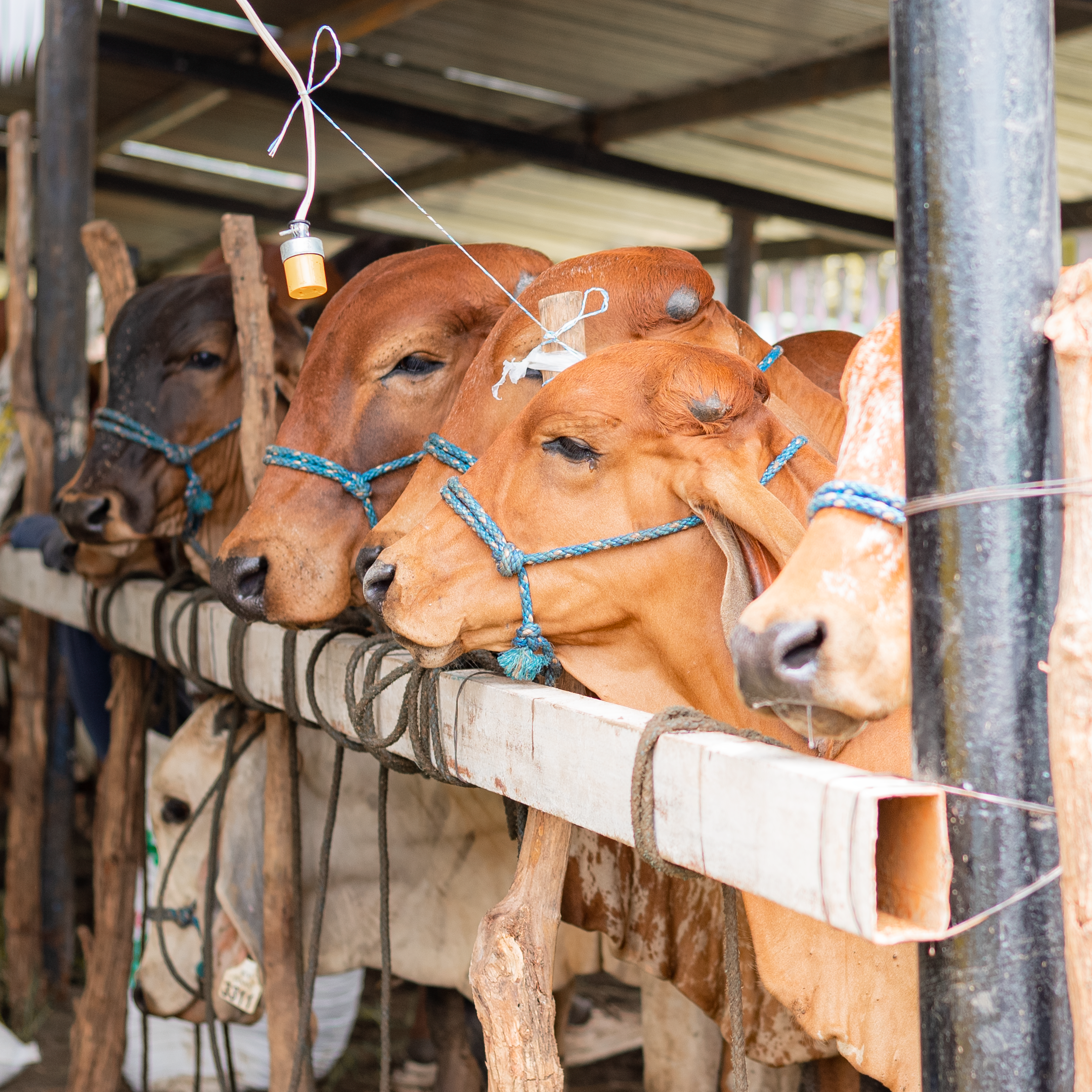
Safe, well-designed handling facilities protect both you and your cattle during routine tasks like vaccinating, weighing, and sorting. Poor facilities lead to injuries, stressed animals, and wasted time chasing cattle around a pen that should have been over in minutes.
The Working Chute
A squeeze chute is the centerpiece of most handling systems, holding an animal securely for vaccinations, pregnancy checks, and hoof work. Curved chute designs take advantage of cattle’s natural tendency to circle back toward where they came from, reducing balking compared to straight-line setups.
Holding Pens and Alleys
A funnel-shaped system of holding pens leading into a narrower alley helps move cattle calmly toward the chute without excessive pushing or shouting. Solid sides on the alley reduce distractions from outside movement, which keeps cattle moving forward instead of balking at shadows or onlookers.
Loading Chutes and Trailers
A sturdy loading chute with good footing and solid sides makes trailer loading dramatically safer for both cattle and handlers. Non-slip flooring is essential here, since cattle that slip while loading often become permanently head-shy about the process.
Sorting Gates
A simple sorting gate at the end of the alley lets one person split cattle into separate pens based on weight, sex, or treatment status without physically separating animals by hand. This is especially valuable at weaning or shipping time.
Low-Stress Handling Principles
Facilities are only half the equation; how you move cattle through them matters just as much. Working calmly, using an animal’s flight zone and point of balance instead of noise and force, results in faster processing and calmer, easier-to-handle cattle over time.
Explore our cattle for sale and pair new stock with the right handling setup from day one. For chute and facility design plans, university extension programs like Cooperative Extension publish free blueprints for small-farm cattle handling systems.