
Know the Signs Before It’s an Emergency
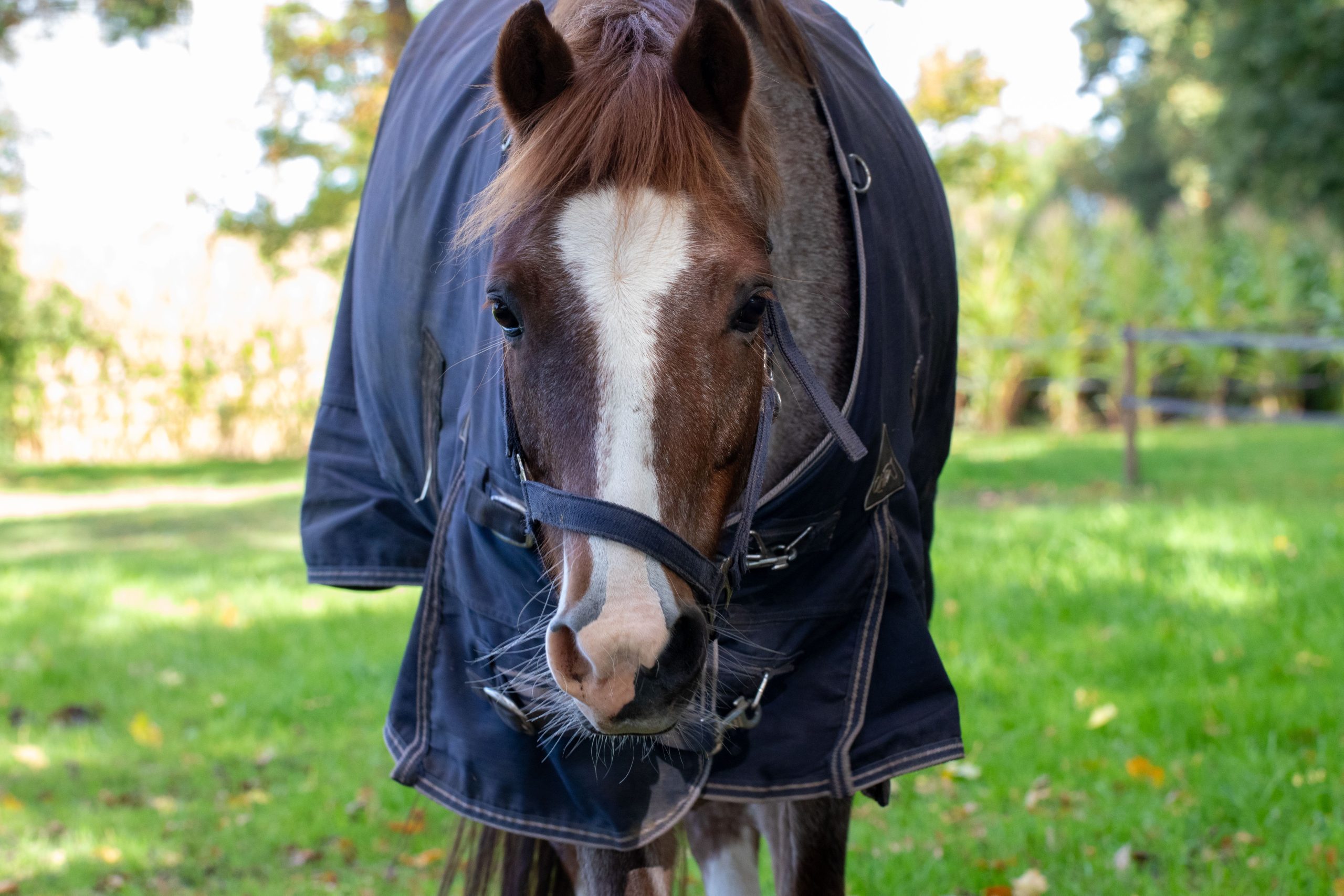
Horses can hide illness remarkably well since they are prey animals, which means subtle changes in behavior or appetite are often the only early clue that something is wrong. Learning to recognize the warning signs of common equine illnesses can mean the difference between a quick recovery and a life-threatening emergency.
Colic
Colic refers to abdominal pain and is one of the most common and potentially serious equine emergencies. Watch for pawing, repeatedly looking at the flank, rolling, lying down more than usual, or reduced manure output, and call a veterinarian immediately since colic can escalate quickly.
Laminitis
Laminitis is a painful inflammation of the tissue connecting the hoof wall to the coffin bone, often triggered by rich pasture, obesity, or metabolic conditions. Early signs include a reluctance to move, a rocked-back stance to relieve pressure on the front feet, and increased digital pulse in the hooves.
Respiratory Infections
Nasal discharge, coughing, fever, and lethargy can indicate a respiratory infection such as strangles or equine influenza, both of which spread easily between horses. Isolating a sick horse quickly helps prevent an outbreak from spreading through the whole barn.
Equine Metabolic Syndrome and Cushing’s Disease
Excessive thirst, a long curly coat that fails to shed properly, and abnormal fat deposits can point toward hormonal conditions like Cushing’s disease, particularly in older horses. Blood testing and veterinary management can significantly improve quality of life for horses with these conditions.
When to Call the Vet
Any sign of significant pain, high fever, refusal to eat, or inability to rise should prompt an immediate call to your veterinarian rather than a wait-and-see approach. Quick action on subtle early signs often prevents a minor issue from becoming a full-blown emergency.
Browse our horses for sale and shop supportive feed and nutrition products to help maintain your horse’s health. For detailed emergency guidance, consult the American Association of Equine Practitioners.