
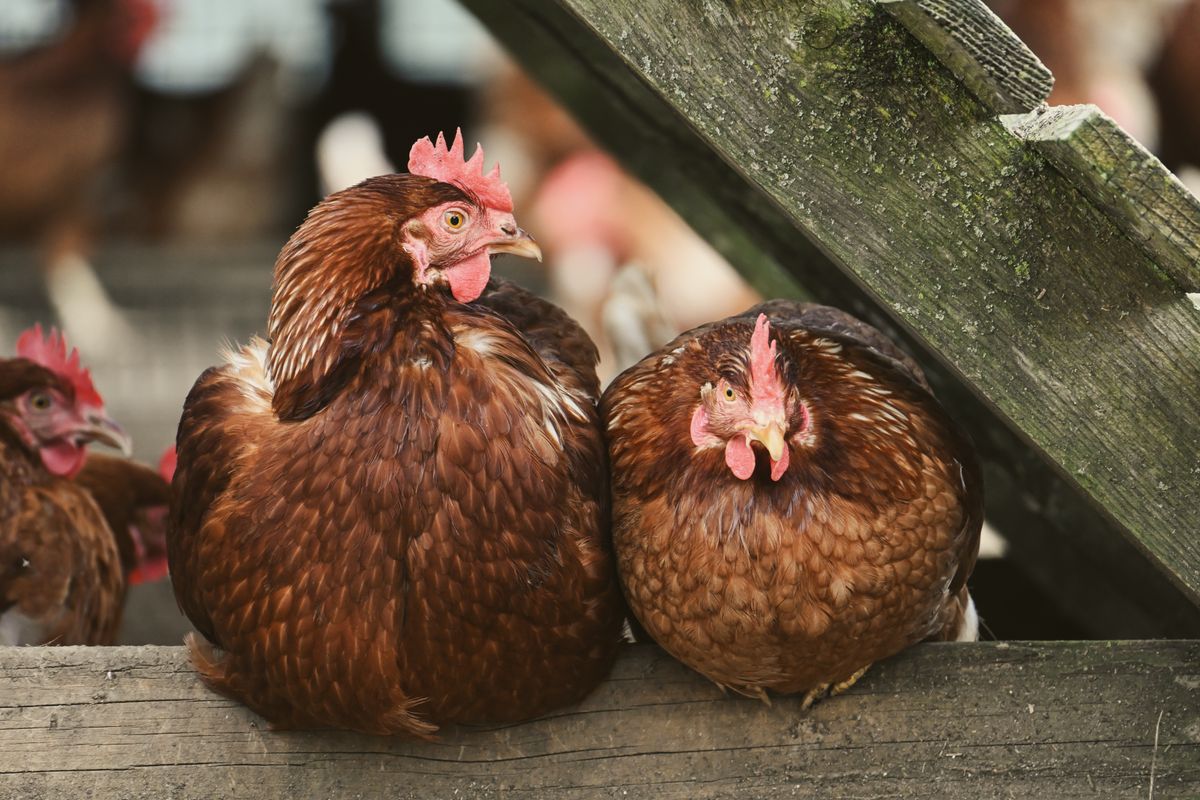

Fresh eggs are one of the biggest draws for new backyard poultry keepers, and choosing the right breed along with a few key care habits will make the difference between a flock that lays reliably and one that disappoints. Here’s what beginners need to know about raising productive laying hens.
Best Egg-Laying Breeds for Beginners
Rhode Island Reds are a longtime favorite for their hardiness and dependable brown egg production. Leghorns are the classic white-egg layer, known for exceptional production but a somewhat flightier temperament than many dual-purpose breeds. Australorps and Plymouth Rocks are known for calm dispositions alongside solid laying performance, and sex-linked hybrids such as Golden Comets are bred specifically for high egg output and are easy to sex at hatch, which is a real convenience for beginners who want to avoid ending up with unwanted roosters.
How Many Eggs Can You Expect?
Production varies significantly by breed. Top production breeds like Leghorns can lay 250 to 300 or more eggs a year under good conditions, while many heritage dual-purpose breeds average closer to 150 to 200 eggs annually. Individual hens, nutrition, daylight hours, and age all affect these numbers as well.
Feeding Layers for Maximum Production
A commercial layer feed, typically around 16 to 18 percent protein, formulated with added calcium is essential once hens start laying, since calcium demands for shell production are significant. It’s important not to feed layer ration to young, non-laying birds, since the extra calcium can be harmful to their kidneys before they’re mature enough to need it. Offering free-choice crushed oyster shell alongside layer feed lets hens regulate their own calcium intake as needed.
Light and Egg Production
Hens need roughly 14 to 16 hours of daylight to maintain peak laying rates, which is why egg production naturally drops in fall and winter as daylight hours shorten. Some keepers add supplemental lighting to maintain winter production, while others prefer to let hens follow their natural seasonal rhythm and rest during shorter days, a choice that comes down to personal priorities around production versus giving hens a natural break.
Nest Box Habits and Egg Collection
Collecting eggs at least once, ideally twice, a day keeps eggs cleaner and helps prevent hens from developing an egg-eating habit. Placing a golf ball or ceramic egg in the nest box can help encourage young hens to start using the boxes rather than laying eggs in random corners of the coop.
When Production Naturally Declines
Hens go through an annual molt, typically starting around 12 to 18 months of age and then yearly afterward, during which they redirect protein toward regrowing feathers rather than egg production, causing laying to pause temporarily. Egg production also naturally declines as hens age past their second or third year, which is a normal part of the laying cycle rather than a sign of poor health.
Final Thoughts
Choosing a productive breed and getting feed, lighting, and nest box habits right from the start will set your flock up for consistent, healthy egg production for years. Browse our hens for sale at Ray’s Livestock & Feed Store to start or grow your laying flock, and stop by for layer feed and supplies. For detailed breed comparisons, the Livestock Conservancy maintains helpful poultry breed profiles.


