
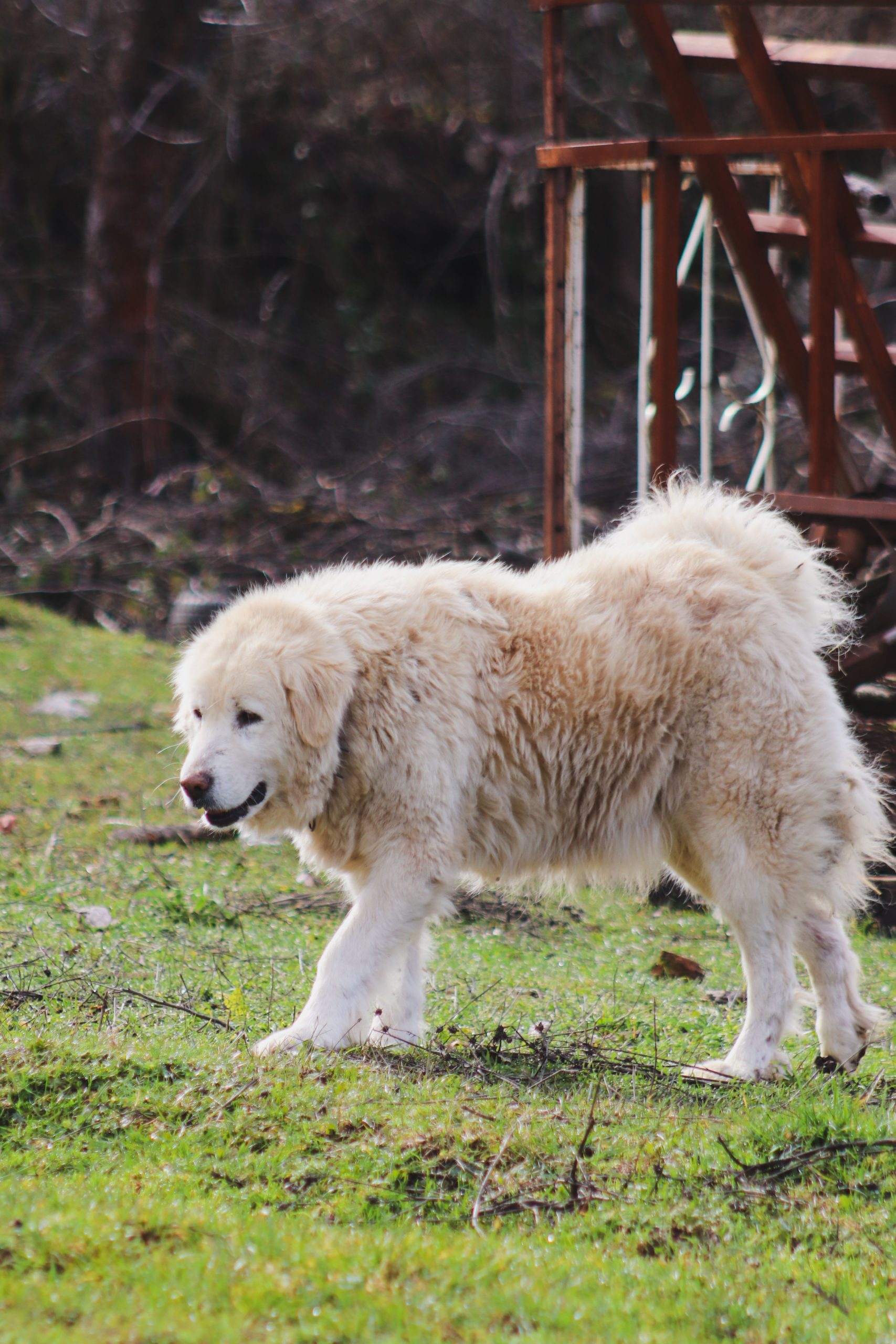

If you raise goats, sheep, poultry, or even calves, predators are probably your number one silent threat. Coyotes, stray dogs, foxes, and even bobcats can wipe out a season’s worth of profit in a single night. That’s where a livestock guardian dog, or LGD, earns its keep. Unlike herding breeds that move animals from place to place, a livestock guardian dog lives with the herd full time, bonding with it and defending it as if it were their own family.
What Exactly Is a Livestock Guardian Dog?
A livestock guardian dog is a large working breed developed over centuries to live among sheep, goats, or other livestock and protect them from predators without harming the animals themselves. These breeds were not bred to bite, chase, or herd. Instead, they were selected for calm confidence, loyalty to their charges, and a willingness to confront threats many times their size.
Traditional shepherding cultures in Europe and Asia developed these breeds over thousands of years, long before electric fencing or firearms were common predator deterrents. A good LGD was often the only thing standing between a flock and a pack of wolves.
How Livestock Guardian Dogs Actually Work
An LGD’s job comes down to three behaviors: bonding, patrolling, and deterring.
- Bonding – A guardian dog raised properly will treat its livestock as its social group, staying close to them by choice rather than by command.
- Patrolling – Mature LGDs regularly walk the perimeter of their territory, marking it and watching for anything unusual.
- Deterring – Barking, posturing, and sheer size are usually enough to convince a predator to look elsewhere for an easier meal. Physical confrontation is a last resort, not the primary strategy.
This is very different from herding dogs like Border Collies, which actively move livestock using eye contact, crouching, and controlled chase behavior. Guardian breeds are deliberately bred to lack that prey drive.
Popular Livestock Guardian Dog Breeds
There are dozens of guardian breeds worldwide, but a handful are especially common on American farms and ranches:
- Great Pyrenees – Calm, independent, and thickly coated for cold climates; one of the most popular LGDs in the U.S.
- Anatolian Shepherd – Athletic, heat-tolerant, and highly territorial, originally developed in Turkey.
- Akbash – A lighter, faster-moving Turkish breed known for agility and strong predator-deterrence instincts.
- Maremma Sheepdog – An Italian breed known for a strong bond with poultry and small ruminants.
- Central Asian Shepherd (Ovcharka) – A powerful, imposing breed used historically against wolves.
Many working LGDs today are crosses between two or more of these breeds, combining traits like heat tolerance, coat type, and temperament to suit a specific farm’s needs.
Do Livestock Guardian Dogs Replace Fencing?
No. An LGD is one layer in a broader predator-protection plan, not a replacement for good perimeter fencing. The most effective farms combine solid fencing, secure night housing for vulnerable animals, and one or more guardian dogs working together. A guardian dog dramatically reduces losses, but it works best as part of a system rather than a stand-alone solution.
When Should You Get a Livestock Guardian Dog?
If you are losing animals to predators, live in an area with known coyote, wolf, or stray dog pressure, or you’re expanding a flock or herd and won’t be able to supervise them closely, an LGD is worth serious consideration. Most guardian breeds take one to two years to mature into fully reliable working dogs, so it’s best to start early rather than waiting until losses are already piling up.
According to the National Center for Appropriate Technology’s ATTRA program, well-managed guardian animals can reduce predation losses dramatically compared to unprotected herds, making them one of the most cost-effective long-term investments a livestock producer can make. You can read more from their guide on guard animals for livestock protection.
Finding the Right Livestock Guardian Dog for Your Farm
Not every guardian dog is a good fit for every operation. Climate, herd type, property size, and how much hands-on training you can provide all factor into the right choice. Whether you’re looking for a puppy raised from birth around livestock, a started young dog with some field experience, or an already-trained adult ready to go straight to work, matching the dog’s background to your farm’s needs will save you time and frustration down the road.
Browse our Livestock Guard Dogs for sale to see available puppies, started pups, and trained adult guardians, and check out our goats and sheep for sale if you’re building out a flock that will need protection.
Final Thoughts
A livestock guardian dog is a long-term investment in the safety of your herd, not a quick fix. Given proper training, socialization, and a job to do, these breeds provide a level of round-the-clock protection that no fence or motion light can match. If predator losses are cutting into your bottom line, a good LGD may be the missing piece in your farm’s protection plan.


