
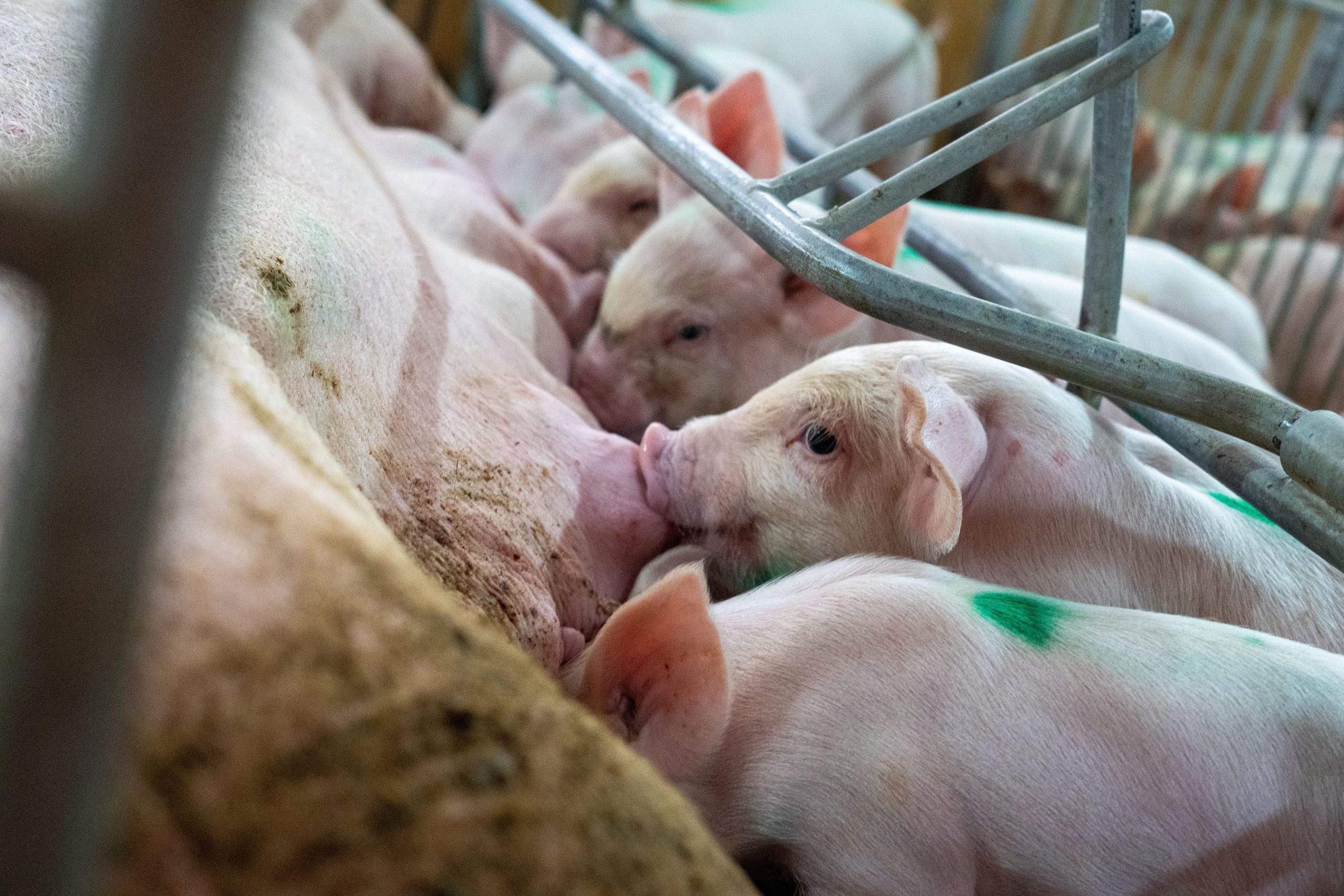

Understanding the Farrowing Process
Farrowing, the term for a sow giving birth, is a natural process, but preparation dramatically improves outcomes for both the sow and her piglets. Pigs typically carry a pregnancy for about 114 days, often remembered by the rule “three months, three weeks, three days.”
Preparing the Farrowing Area
Set up a clean, draft-free farrowing area at least a week before the due date, giving the sow time to settle in and build a nest if she’s inclined to do so. Many producers use a farrowing crate or rail system to reduce the risk of the sow accidentally crushing piglets, though pasture-based systems with well-designed huts can also work well.
Signs Labor Is Near
Watch for nesting behavior, udder filling, restlessness, and a drop in body temperature in the 24 hours before farrowing begins. Milk letdown, often visible as thin white droplets from the teats, is one of the most reliable signs that birth is imminent.
During Farrowing
Most sows farrow without assistance, delivering piglets every 15 to 20 minutes over a period of several hours. Have towels ready to dry chilled piglets, and keep a heat lamp nearby since newborn piglets are highly susceptible to chilling, especially in cool weather.
The Critical First Hours
Make sure every piglet nurses colostrum within the first couple of hours, and consider clipping needle teeth if piglets are fighting excessively for teat position. Processing tasks like iron injections (important since piglets are born with low iron reserves) and ear notching are typically done within the first few days.
Managing Large Litters
If a sow has more piglets than functional teats, cross-fostering extras onto another nursing sow, or supplementing with a milk replacer, may be necessary to ensure every piglet gets adequate nutrition.
Browse our pigs for sale and stock up on farrowing supplies and feed and nutrition products ahead of your sow’s due date. For detailed farrowing checklists, the Cooperative Extension System offers helpful resources.