
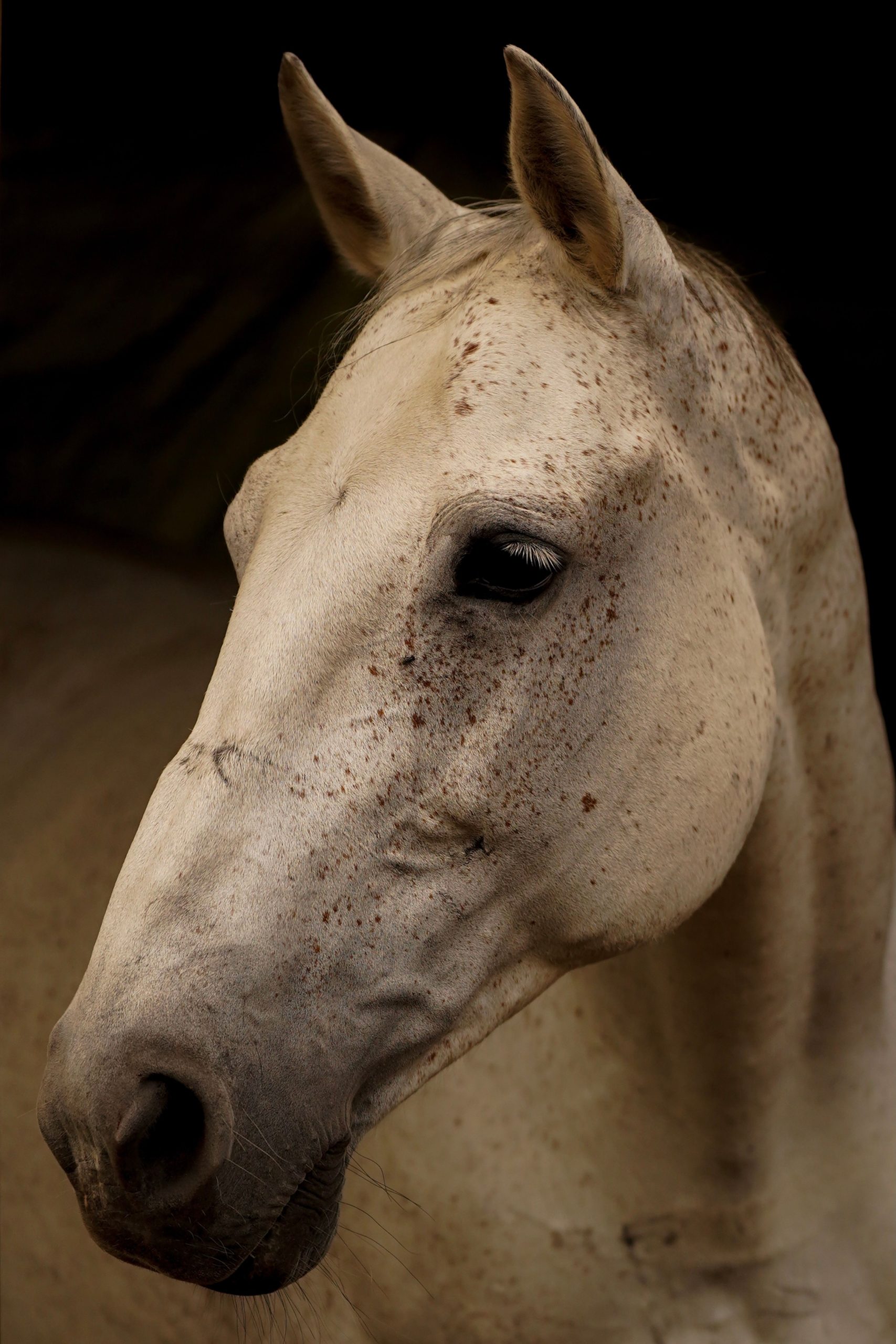

The Purchase Price Is Just the Start
Many first-time horse buyers focus entirely on the purchase price and are caught off guard by ongoing costs that can easily exceed the price of the horse itself within the first year. Understanding the full financial picture before you buy helps you budget realistically and avoid financial strain down the road.
Feed and Hay
Feed is one of the largest ongoing expenses, with hay costs varying significantly by region and season. A horse in light work on quality pasture may need minimal supplementation, while a horse with no pasture access may require full hay and grain rations year-round.
Farrier Care
Routine trimming every six to eight weeks is a baseline cost for every horse owner, and adding shoes increases the expense further. Skipping farrier visits to save money often leads to far more expensive hoof and lameness problems down the line.
Veterinary Care
Budget for annual vaccinations, dental floating, and fecal egg counts as routine costs, plus an emergency fund for unexpected colic, injury, or illness. Equine veterinary emergencies can be significant, and many owners choose major medical insurance to help offset this risk.
Boarding vs. Keeping at Home
If you don’t have your own land, boarding fees at a full-care facility are often the single largest monthly expense of horse ownership. Keeping a horse at home reduces this cost but shifts the labor and infrastructure investment, including fencing, shelter, and pasture management, onto you.
Building a Realistic Budget
Add up feed, farrier, veterinary, and either boarding or home-keeping costs, then include a buffer for tack, supplements, and emergencies before committing to horse ownership. Talking to current horse owners in your area is one of the best ways to get realistic, local cost estimates.
Browse our horses for sale and budget-friendly feed and nutrition products to help manage ongoing costs. For regional cost breakdowns, the Cooperative Extension System publishes horse ownership cost calculators.


