
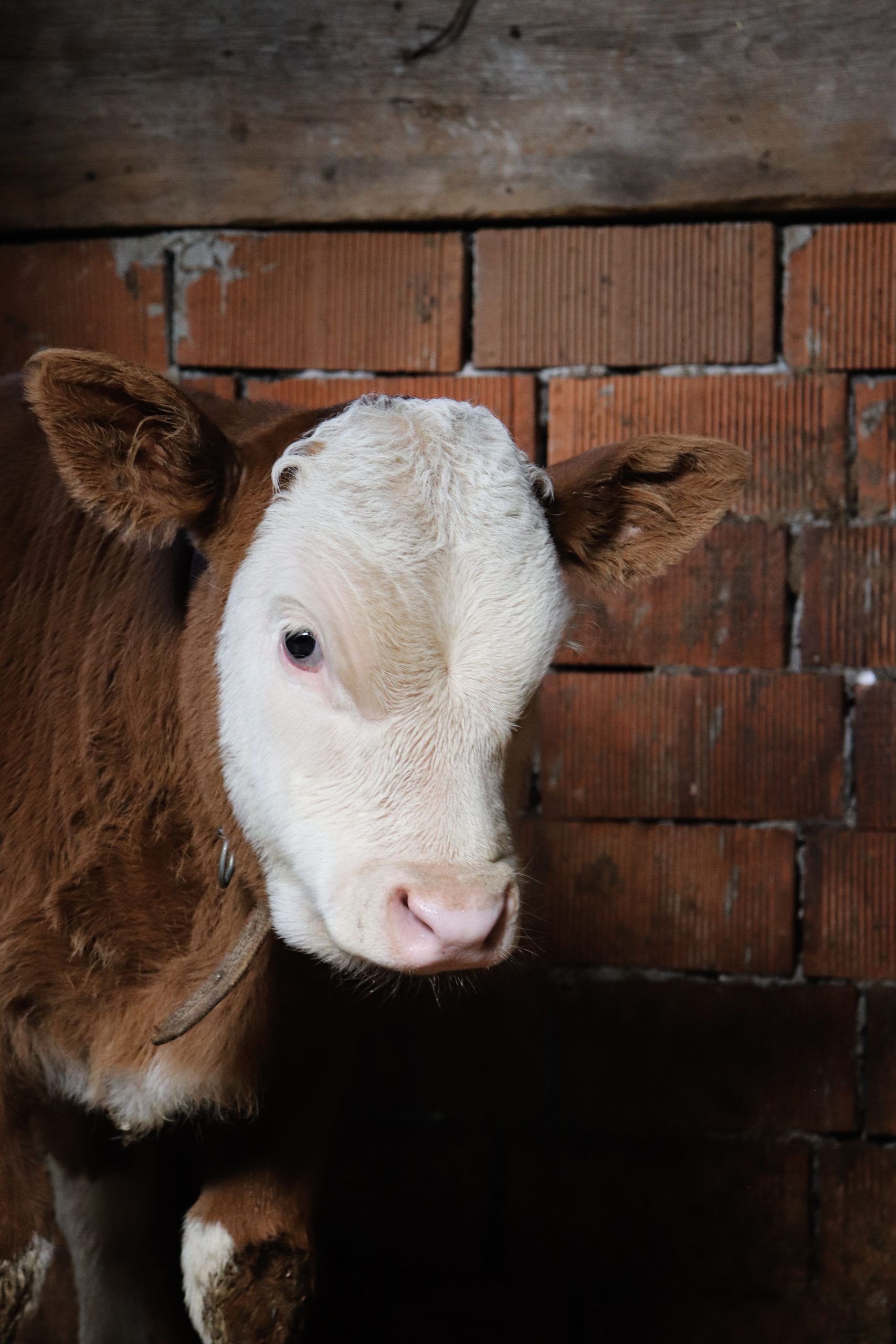

Why Weaning Method Matters
Weaning is one of the most stressful events in a calf’s life, and how it is handled has a direct effect on weight gain, immune function, and future performance. Poorly managed weaning can trigger weight loss, respiratory illness, and weeks of bawling that stress the whole herd. A planned approach protects both the calves and your bottom line.
When to Wean
Most beef calves are weaned between six and eight months of age, once they are eating solid feed reliably and the cow’s milk production has started to decline. Weaning too early can stunt growth, while waiting too long puts unnecessary nutritional demand on the cow heading into winter or rebreeding season.
Fence-Line Weaning
Fence-line weaning separates cows and calves with a secure, calf-proof fence but keeps them within sight and sound of each other. Research from several university extension programs has shown this method significantly reduces bawling and walking compared to complete separation, because the calves still have visual contact with their dams.
Two-Stage Weaning with Nose Flaps
Nose flap devices prevent a calf from nursing while still allowing it to graze alongside its mother for several days before final separation. This gradual approach has been shown to cut stress behaviors dramatically and is popular on operations with the facilities to sort and re-sort pairs.
Preparing Calves Before Weaning Day
Calves that have already been creep-fed and vaccinated ahead of weaning handle the transition far better than calves facing everything at once. Aim to give respiratory vaccines two to three weeks before weaning so immunity is established before the stress event occurs.
What to Watch for After Weaning
Keep a close eye on newly weaned calves for the first two weeks for signs of respiratory disease, including droopy ears, nasal discharge, or reluctance to eat. Fresh water, quality hay, and a calm, low-stress pen setup go a long way toward keeping calves on feed during this window.
Stock up on creep feed and calf starter ahead of weaning season, and browse our cattle for sale if you’re looking to add replacement stock. For more on low-stress weaning techniques, see resources from your local Cooperative Extension office.


