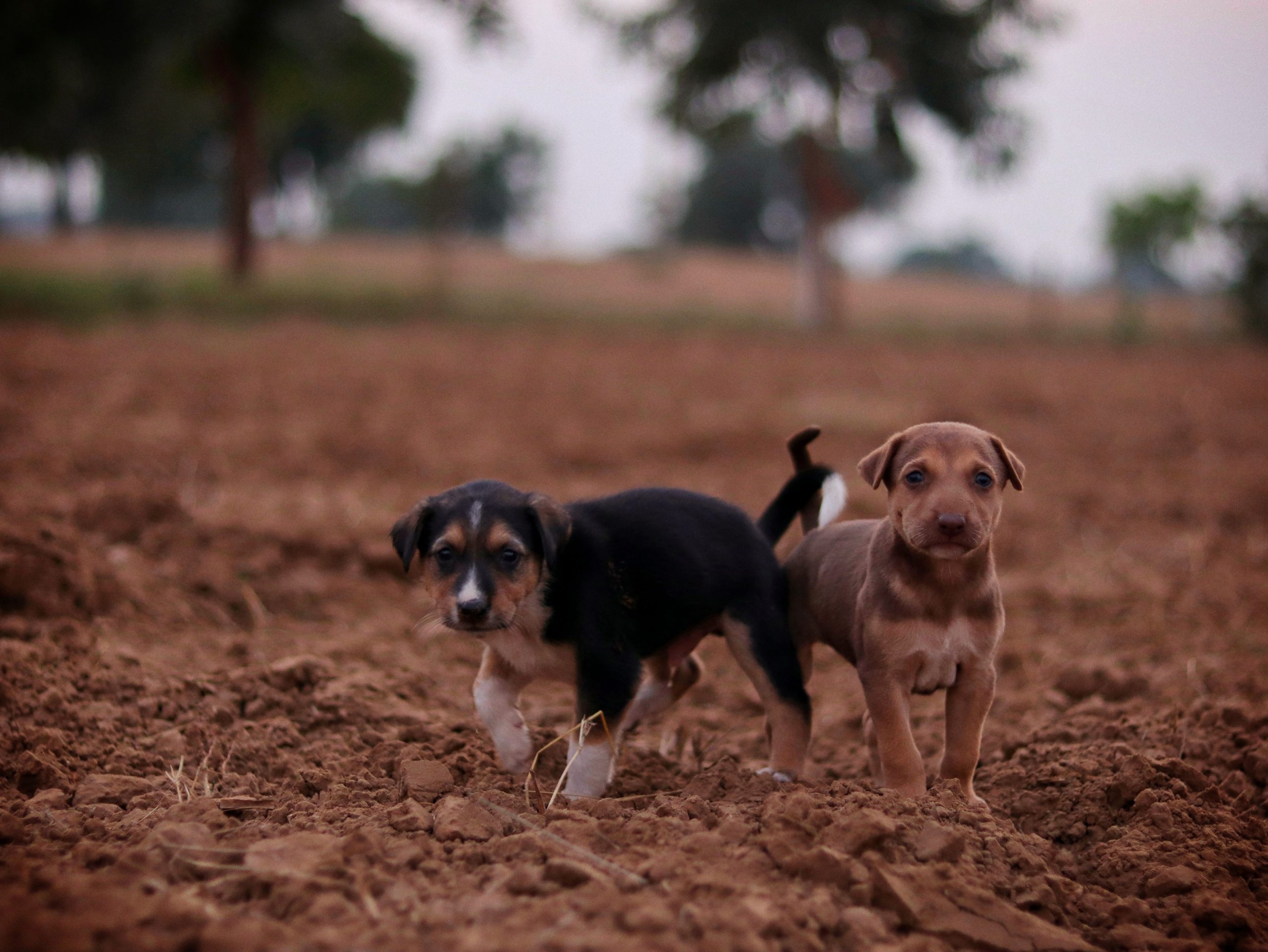

Raising a livestock guardian dog puppy is a very different experience from raising a typical family dog. The goal isn’t to teach tricks or build a play-focused bond with you. Instead, you’re shaping a working relationship between the puppy and the livestock it will spend its life protecting. Here’s what to expect during the first 12 months.
Weeks 8 to 16: Bonding With the Herd
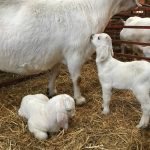
Most breeders place LGD puppies around 8 weeks old, ideally already started on exposure to livestock. During this stage, the puppy should spend the majority of its time in a secure pen adjacent to or inside the livestock area, allowing safe, supervised contact. Puppies are naturally curious and clumsy at this age, so supervision matters, especially with smaller animals like poultry or young kids and lambs.
This is also when basic obedience should begin: name recognition, a reliable recall, and comfort with a leash and collar for vet visits and handling. None of this should come at the expense of the puppy’s time with livestock, which is the priority.
Months 4 to 8: The Awkward Adolescent Stage
This is often the hardest stretch for new LGD owners. Adolescent guardian dogs are physically large but mentally immature, and many go through a phase of rough play, chasing, or nipping at livestock, especially poultry. This does not mean the dog is a failure. It means the dog needs more structured supervision, not less.
Common strategies during this stage include limiting unsupervised time with the most vulnerable animals, using a controlled area for interactions, and correcting inappropriate behavior calmly and immediately. Most working guardian breeds mature out of this phase between 12 and 24 months, though the timeline varies by individual and breed.
Months 8 to 12: Increasing Independence
By this stage, a well-managed LGD puppy should be showing signs of real maturity: staying near the herd without being told, showing interest in the property perimeter, and reacting appropriately to unfamiliar sounds or animals. You can begin extending unsupervised time gradually, always watching for regression.
Some owners choose to pair a young dog with an experienced adult LGD during this period. Mentorship from an older, reliable guardian dog can dramatically speed up a young dog’s development and social learning.
Training Do’s and Don’ts
- Do correct chasing, nipping, or rough play immediately and calmly.
- Do reward calm, appropriate behavior around livestock.
- Do keep training sessions for basic obedience short and separate from herd time.
- Don’t encourage roughhousing or fetch games that build prey drive or chase behavior.
- Don’t rush unsupervised access before the dog has proven itself reliable.
- Don’t punish natural guarding behaviors like barking at night, which is the dog doing its job.
Health and Nutrition During the First Year
Large guardian breeds grow quickly and are prone to joint problems if overfed or fed a diet too high in calories during the growth phase. A large-breed puppy formula, regular vet checkups, and a standard vaccination and deworming schedule are essential. The American Veterinary Medical Association recommends working closely with a veterinarian on a growth and nutrition plan tailored to large and giant breed puppies. You can find general large-breed puppy care guidance through the AVMA’s puppy care resources.
Setting Realistic Expectations
Most livestock guardian dogs are not considered fully mature, reliable workers until somewhere between 18 months and 2 years of age. That doesn’t mean a young dog provides no benefit before then. Even adolescent LGDs add a deterrent presence and early-warning barking that can reduce predator activity, but they should not be relied upon as the sole line of defense until they’ve matured.
Starting Off Right
Choosing a puppy from a breeder who raises pups directly around the type of livestock you keep gives you a significant head start. If you’d rather skip the puppy stage entirely, a started or already-trained LGD may be a better fit for your timeline. Browse our current livestock guard dogs for sale, including puppies raised around goats, sheep, and poultry.