
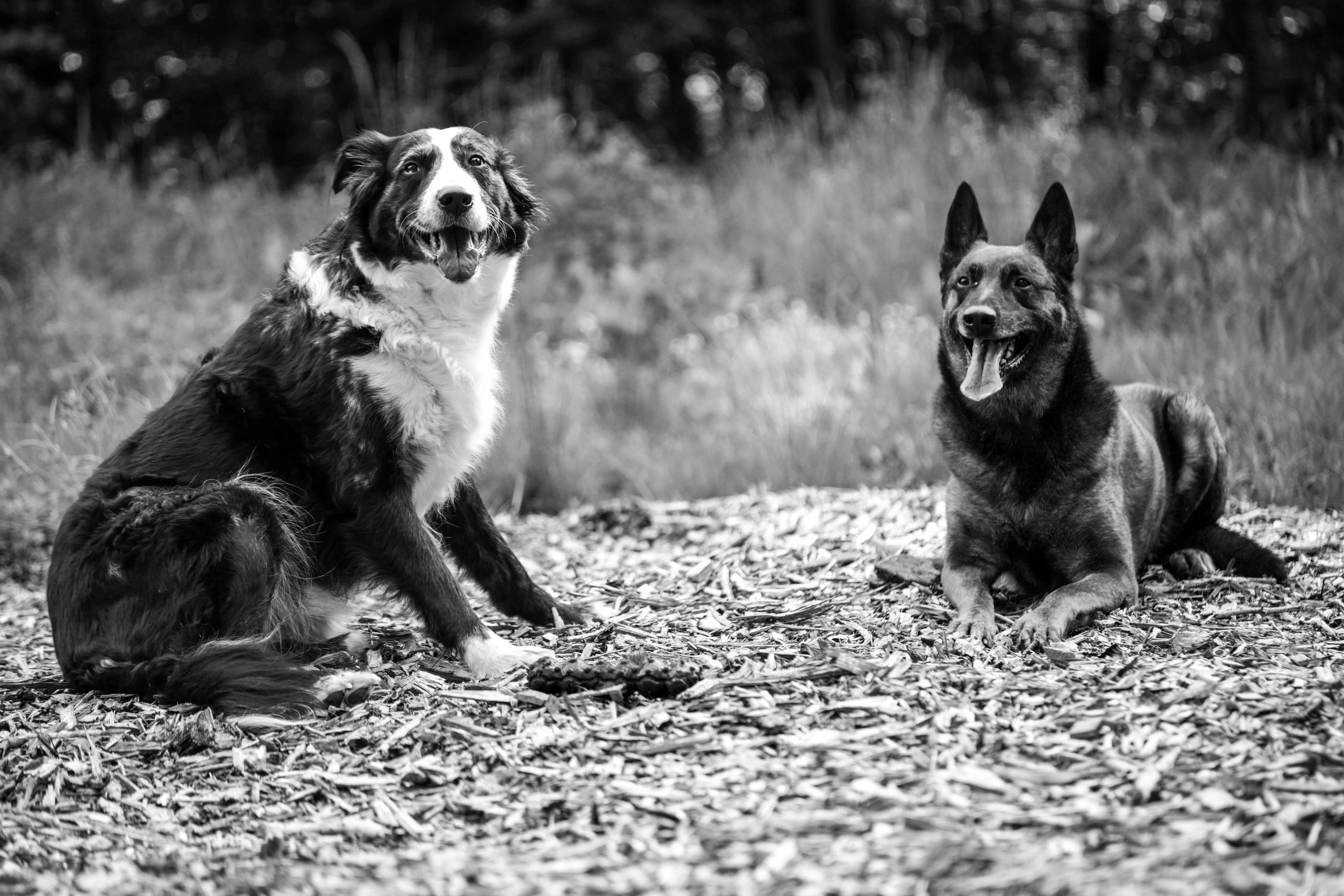

One of the most common questions new livestock guardian dog owners ask is whether a single dog is enough, or whether they need a pair. The honest answer is: it depends on your predator pressure, herd size, and property layout. Here’s how to think it through.
When One Livestock Guardian Dog Is Usually Enough
A single, mature, well-trained LGD can adequately protect a small to mid-sized herd or flock on a modest, well-fenced property with low to moderate predator pressure, such as occasional coyotes. Many small homesteads with a handful of goats, sheep, or a backyard poultry flock do fine with one dog, provided the property is secure and the dog has been properly trained and matured.
When You Should Consider Two or More
Multiple guardian dogs become important in a few common situations:
- Large acreage – One dog can only patrol so much ground effectively. Properties over 20 to 40 acres often benefit from at least two dogs working together.
- Heavy predator pressure – Areas with wolves, mountain lions, or large, persistent coyote packs are much safer with two or more dogs who can support each other when confronting a serious threat.
- Large or spread-out herds – If your animals graze across multiple pastures or a large range, a single dog can’t be everywhere at once.
- Vulnerable young stock – Farms with frequent kidding, lambing, or calving seasons often benefit from extra guardian coverage during those high-risk windows.
The Benefits of Working Pairs
Two guardian dogs that know each other well can split patrol duties, back each other up during a confrontation, and provide company, which some owners believe reduces boredom-related problem behaviors. A common, effective setup pairs an experienced adult with a younger dog, allowing the older dog to mentor the pup’s guarding instincts and appropriate behavior around livestock.
The Downsides of Multiple Dogs
More dogs means more feed cost, more veterinary expenses, and more management overhead. Two dogs that are too focused on each other, rather than the herd, can also become a problem, especially if they haven’t been properly trained to prioritize their guarding duties. This is sometimes seen in young dogs raised together without enough individual bonding time with the livestock.
How to Decide for Your Farm
Ask yourself these questions:
- How many acres do the animals actually range across?
- What predators are active in your area, and how often do you see evidence of them?
- Do you have vulnerable young stock for a significant part of the year?
- Can your budget support the feed, vet care, and management of more than one large dog?
If you answered yes to heavier predator pressure, larger acreage, or seasonal vulnerable stock, a pair is likely worth the investment. For smaller, well-fenced operations with modest predator pressure, one well-trained dog is often sufficient, especially when paired with good fencing and secure night housing.
Building Your Guardian Team
Whether you’re starting with your first LGD or adding a second dog to an existing team, matching temperament, age, and experience level matters. Browse our current livestock guard dogs for sale, including puppies, started pups, and already-trained adults, to find the right addition for your operation. You can also review our goats and sheep for sale if you’re growing the herd these dogs will protect.


