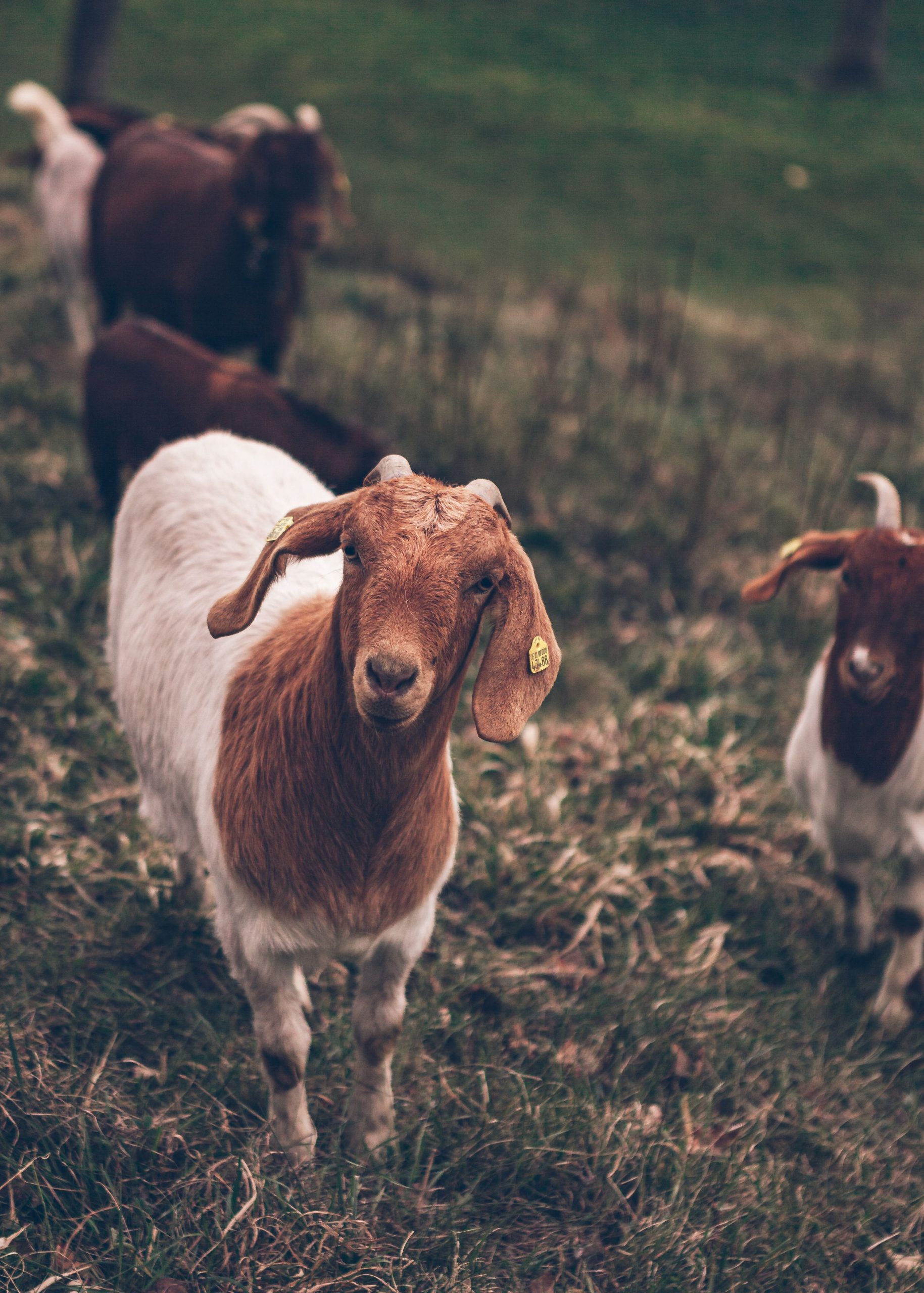

If you’re raising goats for meat, breed selection has a major impact on growth rate, carcass quality, and how well the animals suit your climate and pasture. Here’s a look at the top meat goat breeds raised across the United States.
Boer Goats
Originally developed in South Africa, the Boer is the most widely recognized meat goat breed in the U.S., known for its distinctive white body with a reddish-brown head, fast growth rate, and heavy muscling. Boers are popular both for commercial meat production and 4-H and show programs, and they cross well with other breeds to improve carcass quality in mixed herds.
Kiko Goats
Developed in New Zealand specifically for hardiness and low-maintenance production, Kiko goats are prized for excellent parasite resistance, strong mothering ability, and the capacity to thrive on rougher forage with minimal supplemental feed. They grow somewhat slower than Boers but often require less intensive management.
Spanish Goats
A landrace breed developed in the Southwestern U.S. from early Spanish stock, Spanish goats are extremely hardy, adaptable to poor forage conditions, and naturally resistant to many parasites and diseases common in wetter climates. They’re a favorite for brush control and low-input meat production operations.
Myotonic (Fainting) Goats
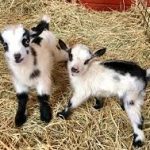
Known for their unique muscle condition that causes temporary stiffness when startled, Myotonic goats are also valued for their heavy muscling relative to body size. While less common as a large-scale commercial breed, they’re popular with small producers and homesteaders.
Savanna Goats
A South African breed related to the Boer, Savanna goats are known for their all-white coats, heat tolerance, and strong disease resistance. They’re less common in the U.S. than Boers but valued for hardiness in hot climates.
Comparing Growth Rates and Carcass Quality
Boer goats generally reach market weight fastest among the common meat breeds, making them attractive for producers focused on turnover speed. Kiko and Spanish goats grow more slowly but often need less veterinary intervention and supplemental feed, which can offset the slower growth with lower input costs. Many commercial producers use Boer bucks crossed with Kiko or Spanish does to combine fast growth with hardiness.
Choosing the Right Breed for Your Operation
Consider your forage quality, climate, and management style. Boers excel in well-managed pasture systems with good nutrition and veterinary support. Kiko and Spanish goats are better suited to lower-input, rougher grazing conditions where hardiness matters more than maximum growth speed. According to guidance from university extension meat goat programs, matching breed hardiness to your actual management level, rather than chasing the fastest growth rate on paper, tends to produce the most profitable results over time.
Starting Your Meat Goat Herd
Whether you’re drawn to the fast growth of Boers, the hardiness of Kikos, or a cross of the two, starting with healthy, well-bred foundation stock makes all the difference. Browse our current goats for sale to find breeding stock suited to your meat production goals.