
Why Sheep Need Special Protection
Sheep are among the most vulnerable livestock to predators, lacking the size, horns, or aggressive defense of cattle or goats. A combination of solid fencing and active predator deterrents is usually necessary to keep a flock safe, especially in areas with coyotes, dogs, or larger predators.
Woven Wire Fencing
Woven wire field fence is one of the most reliable options for sheep, as it prevents both escape and most predator intrusion when properly installed and tensioned. A height of at least 39 to 48 inches with small enough openings to prevent lambs from squeezing through is recommended.
Electric Fencing
Multi-strand electric netting or high-tensile electric wire can be highly effective at deterring predators, particularly when combined with a strong charger and consistent maintenance. Electric fencing is popular for rotational grazing setups since it’s portable and quick to move between paddocks.
Livestock Guardian Dogs
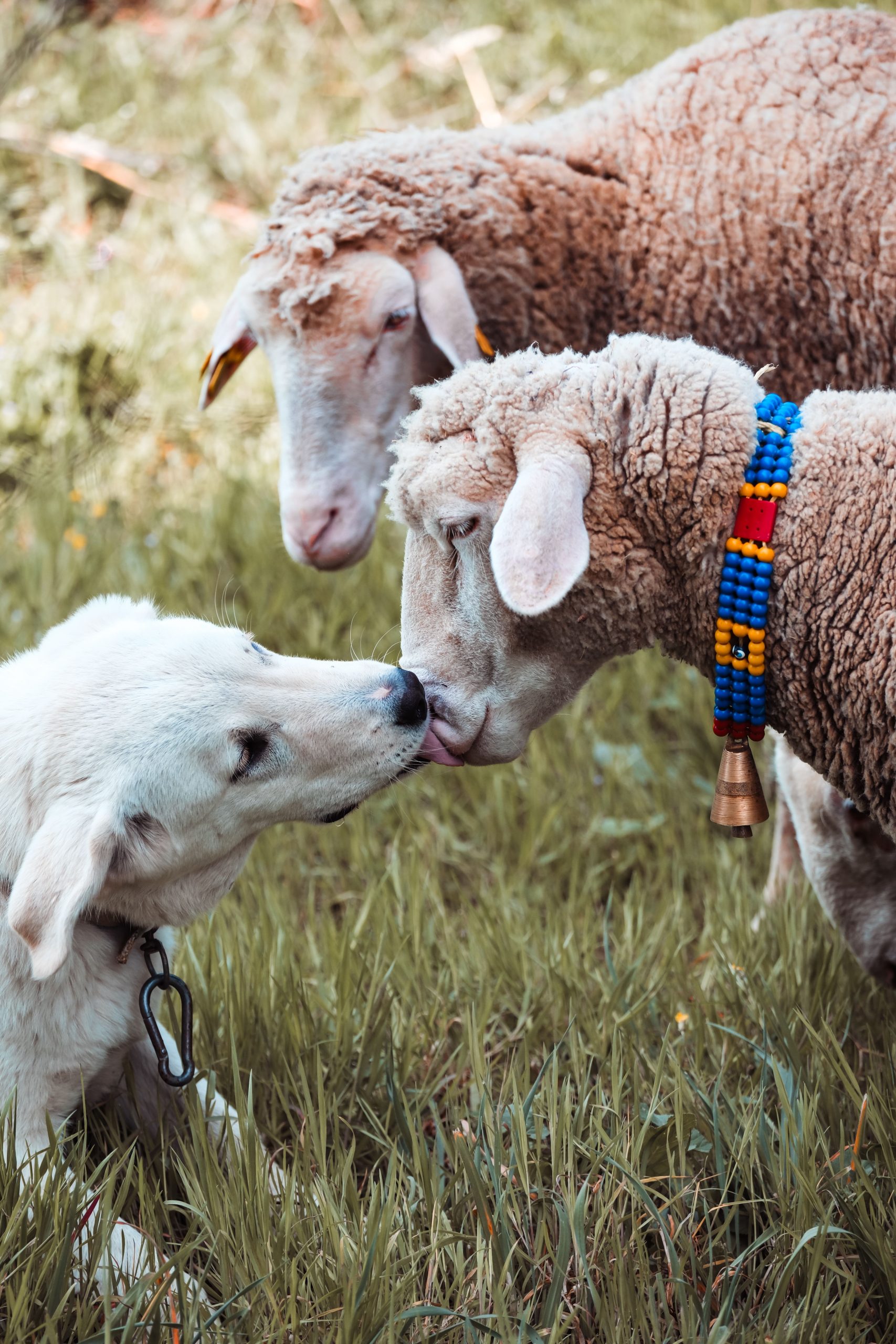
A well-trained livestock guardian dog is one of the most effective, time-tested tools against predators, actively patrolling and confronting threats rather than just presenting a physical barrier. Breeds like the Great Pyrenees and Anatolian Shepherd have protected sheep flocks for centuries and remain a top choice for serious predator control.
Other Predator Deterrents
Motion-activated lights, guard donkeys, and llamas can supplement fencing and guardian dogs, particularly in lower-pressure areas. No single method is foolproof, so combining several layers of protection gives the best results.
Building Your Predator Protection Plan
Assess your local predator pressure, terrain, and flock size before choosing a combination of fencing and deterrents. Walking your fence line regularly to repair weak spots is just as important as the initial fencing investment.
Browse our sheep for sale and explore our livestock guardian dogs to help protect your flock from predators. For fencing specifications, the Cooperative Extension System publishes detailed sheep fencing guides.