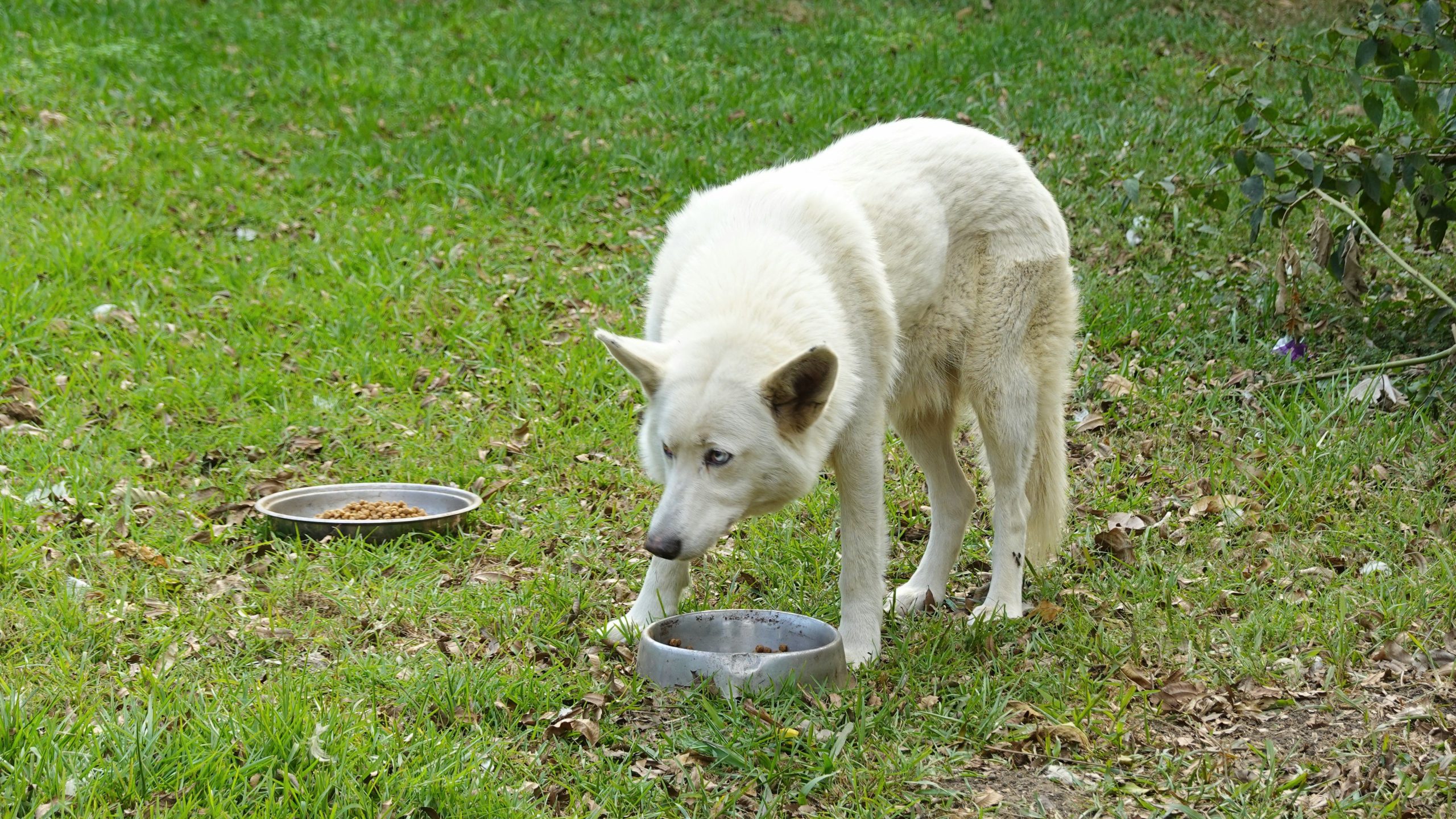

Feeding a livestock guardian dog correctly matters just as much as training it. These are large-to-giant breed working dogs with real nutritional needs that differ from a typical house pet, especially during the critical first two years of growth.
How Much Should an LGD Eat?
A working adult LGD weighing 90 to 130 pounds typically needs 4 to 6 cups of a quality dog food per day, split into two meals. Exact amounts depend on activity level, climate, and body condition. Dogs working in extreme heat or cold, or covering large territories, may need more calories than a similarly sized dog on a smaller, sheltered property.
Puppy Feeding: Slow and Steady Growth
This is the single most important nutritional period for a guardian dog. Large and giant breed puppies are prone to developmental orthopedic problems, including hip dysplasia, if they grow too quickly on a diet too high in calories or calcium. Feed a large-breed-specific puppy formula, follow the feeding guidelines closely, and avoid the temptation to overfeed a fast-growing pup. Most veterinary nutrition guidance recommends keeping large-breed puppies lean rather than heavy throughout the growth period.
Choosing a Food
Look for a complete and balanced dog food formulated for large or giant breeds, ideally with a moderate protein and fat level for adult maintenance, and a specific large-breed puppy formula during growth. Working LGDs that patrol extensively or work in harsh climates may benefit from a higher-calorie performance formula, similar to what’s recommended for other working and sporting breeds.
Where and How to Feed
Many owners feed guardian dogs away from the livestock area to prevent resource guarding around animals, then allow the dog to return to the herd after eating. Others feed directly in the pasture once the dog is mature and reliable. Fresh water should always be available, particularly for dogs working outdoors in hot weather.
Supplements and Special Considerations
A complete, balanced commercial diet generally does not require additional vitamin or mineral supplementation unless a veterinarian recommends it for a specific health issue. Joint supplements containing glucosamine and chondroitin are popular preventive additions for large working breeds as they age, though you should discuss any supplement plan with your vet rather than guessing.
Common Feeding Mistakes
- Overfeeding puppies to make them grow faster, which increases the risk of joint problems later in life.
- Feeding table scraps or unbalanced homemade diets without professional guidance, which can create nutritional deficiencies.
- Underestimating calorie needs for dogs working large territories or harsh climates, leading to unwanted weight loss.
- Ignoring body condition instead of periodically checking ribs, waist, and overall shape to adjust portions as needed.
Building a Feeding Routine That Works
Consistency matters. Feed at the same times each day, monitor body condition every few weeks, and adjust portions seasonally as activity and weather change. A well-fed, properly conditioned livestock guardian dog will have the stamina and health needed for years of reliable protection.
Looking to add a guardian dog to your operation? Browse our current livestock guard dogs for sale, from puppies to already-trained adults.