
Why Body Condition Score Matters
Body condition scoring gives ranchers an objective, hands-on way to judge whether cattle are carrying enough fat cover for reproduction, lactation, and winter survival. Scoring your herd a few times a year helps you catch nutritional problems before they affect calving rates or milk production.
The 1-to-9 Scale
Most U.S. beef operations use a nine-point scale, where a score of 1 represents a severely emaciated animal and a 9 represents an extremely obese one. The ideal range for most beef cows is a 5 to 6, providing enough reserve fat for calving and rebreeding without excess that wastes feed.
Where to Look and Feel
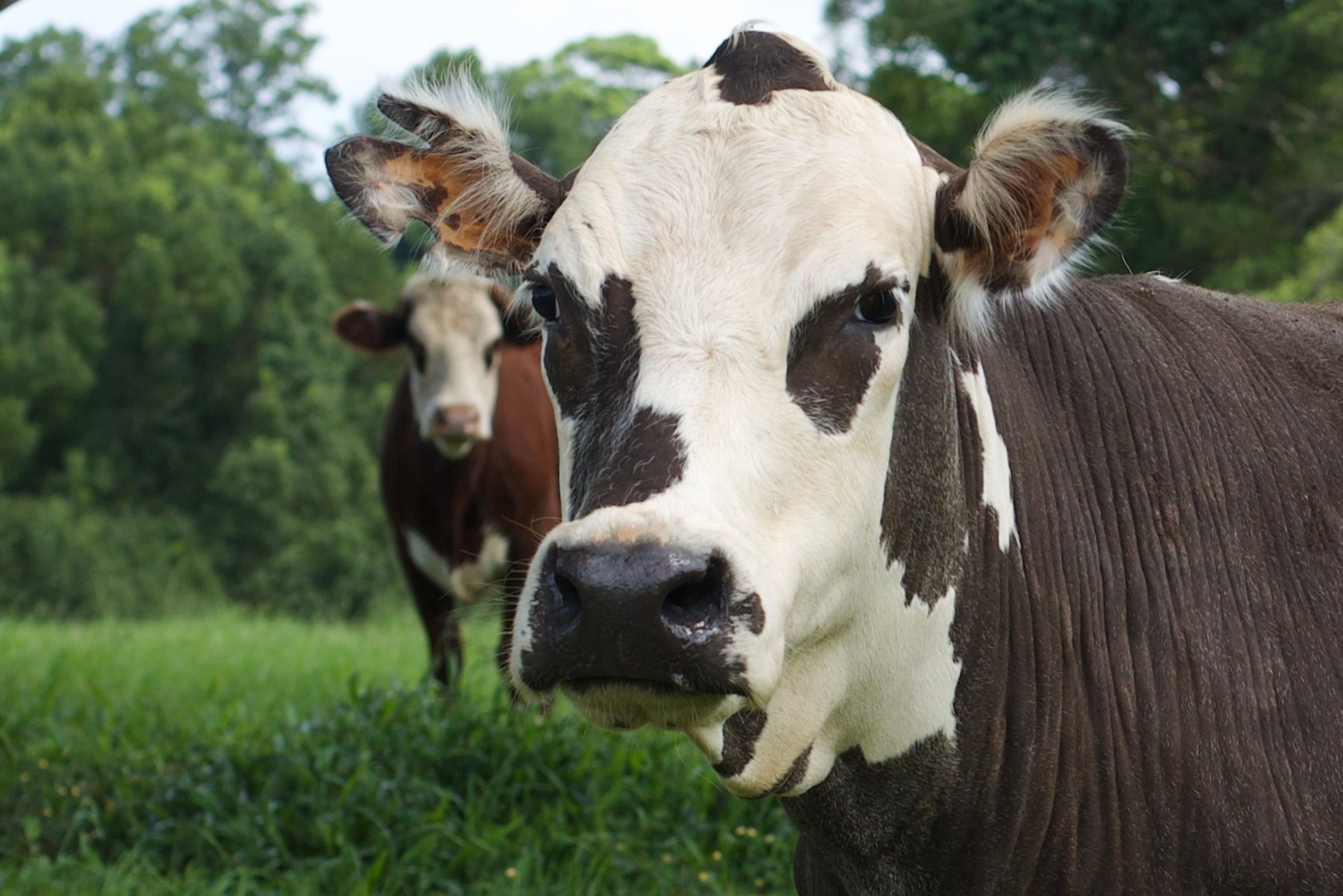
Body condition scoring focuses on key areas including the ribs, backbone, hip bones, and tailhead. In a thin cow these areas will be sharp and easily visible, while a cow in good condition will show a smooth outline with fat covering the bone structure.
Scoring at Key Times of Year
The most important times to score your herd are at weaning, 60 to 90 days before calving, and at breeding time. A cow that is too thin at calving is far more likely to have a delayed return to heat, directly reducing next year’s calving percentage.
Adjusting Feed Based on Score
If cows are scoring below a 5 heading into winter or calving, it’s time to increase energy in the ration through better hay, added grain, or protein supplementation. Cows scoring above a 7 may need reduced energy intake to avoid calving difficulty from oversized calves.
Making BCS a Habit
Walking your herd and scoring cattle by eye takes only a few minutes but pays off enormously in reproductive performance and feed efficiency. Keeping simple written records over time also helps you spot which cows consistently struggle to maintain condition.
Pair your BCS program with quality supplements from our feed and nutrition category, and browse cattle for sale if you’re expanding your herd. For a visual BCS reference chart, see resources from your local Cooperative Extension office.