
The Cattle Reproductive Cycle
A cow’s estrous cycle averages about 21 days, and understanding this rhythm is central to planning an efficient breeding program. Missing heat cycles or breeding at the wrong time is one of the most common reasons calving windows stretch out over several months instead of staying tight.
Choosing a Breeding Season
Most cow-calf operations use a defined 60 to 90 day breeding season rather than year-round breeding, which concentrates calving into a predictable window. A tight calving season makes it far easier to manage nutrition, vaccination timing, and marketing since calves are similar ages and sizes at weaning.
Gestation Length
Cattle carry a pregnancy for approximately 283 days, or roughly nine and a half months, though this can vary slightly by breed. Knowing your exact breeding dates lets you predict calving dates closely enough to plan labor, supplies, and monitoring schedules in advance.
Preparing for Calving Season
In the weeks before calving begins, set up a clean, sheltered calving area and gather basic supplies including OB gloves, lubricant, iodine for navels, and a calf puller in case of difficult births. Increasing checks to at least twice daily as due dates approach lets you catch problems early.
Signs of Approaching Labor
Watch for udder filling, vulva swelling, and separation from the herd in the days before calving, followed by visible contractions once labor begins. Most cows calve without assistance, but knowing when to intervene, generally if no progress is seen within 30 to 60 minutes of hard labor, can save both cow and calf.
After the Calf Arrives
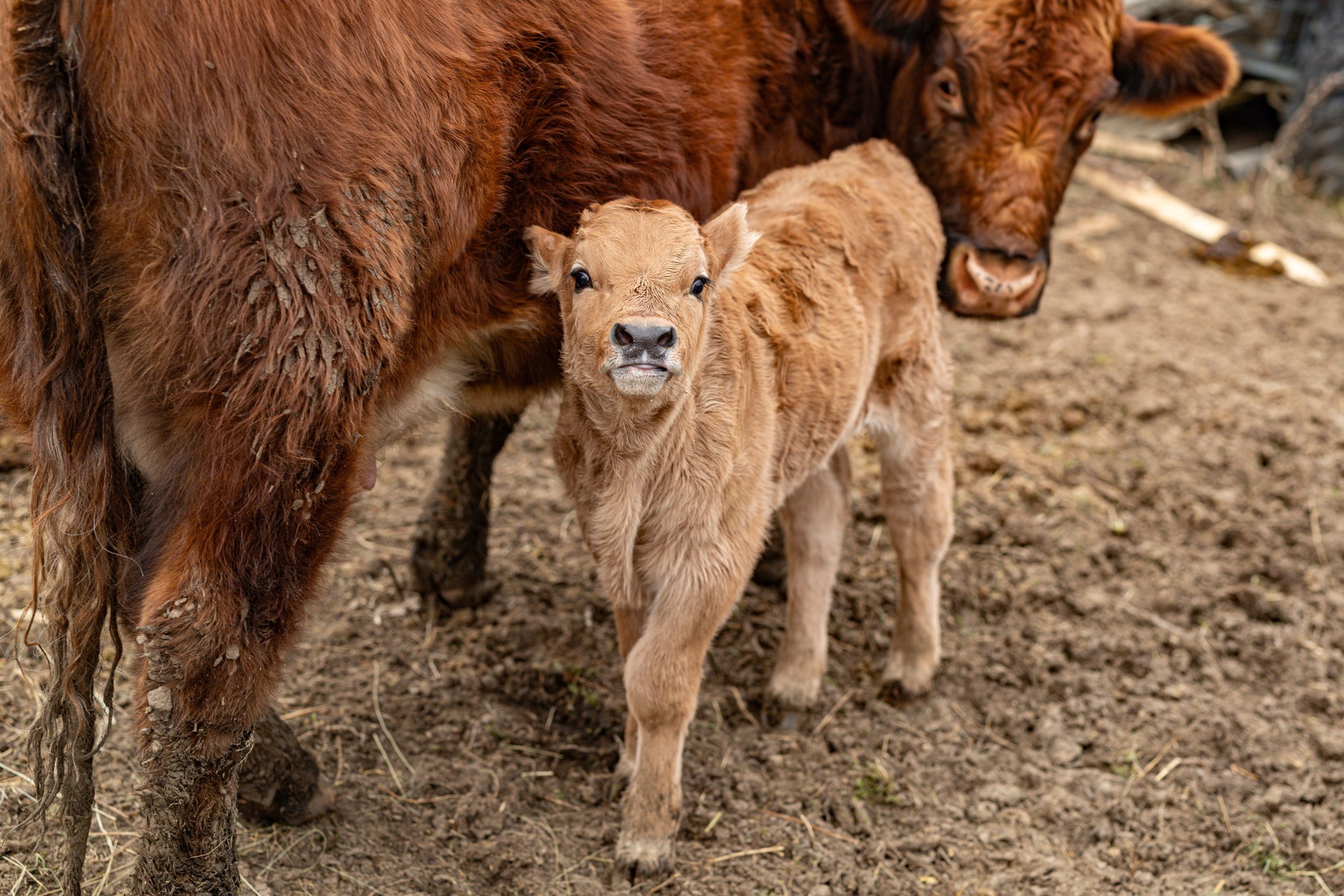
Make sure the calf is breathing and nursing within the first few hours, since colostrum intake in that early window is critical for immune protection. Recording birth weights, dates, and any complications helps you make better breeding and culling decisions in future seasons.
Browse our cattle for sale for quality breeding stock, and stock up on calving supplies and feed and nutrition products before the season begins. For a detailed calving difficulty checklist, consult your veterinarian or your local Cooperative Extension office.