

Why Body Language Matters
Horses communicate almost entirely through body language, and learning to read their signals helps you avoid dangerous situations and build a better relationship with your horse. Since horses are prey animals, subtle signs of stress or discomfort often appear well before a horse actually bolts, bites, or kicks.
Ear Position
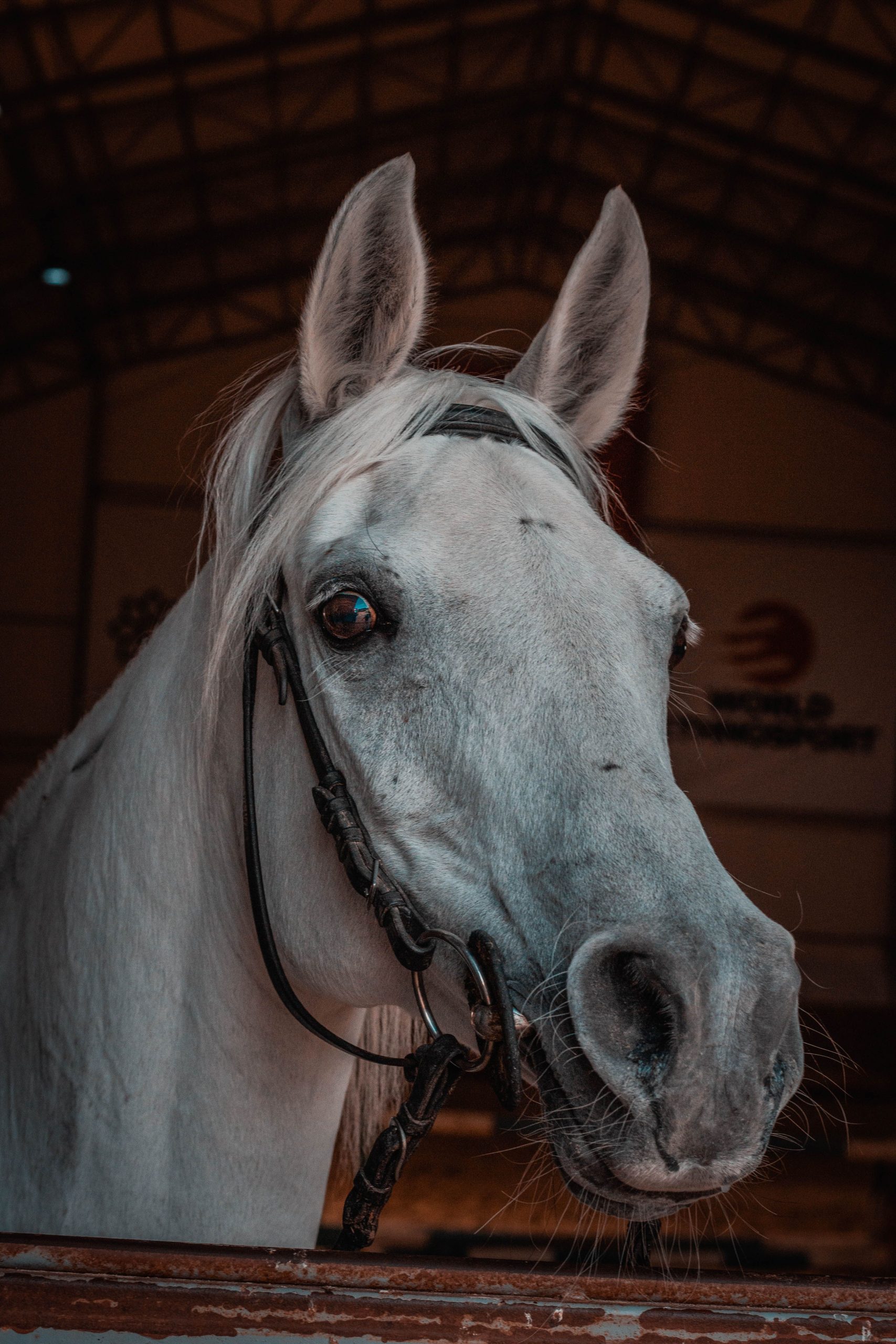
A horse’s ears are one of the most reliable indicators of mood: ears pinned flat back signal irritation or aggression, while ears pointed forward show interest or alertness. One ear back and one forward often simply means the horse is listening to something behind while paying attention ahead.
Tail Signals
A relaxed, softly swishing tail usually indicates a calm horse, while a tightly clamped tail can signal fear or pain, and a rapidly swishing or wringing tail often shows irritation or discomfort. Tail carriage combined with other body signals gives a fuller picture of what a horse is feeling.
Body Posture and Weight Shifting
A horse resting one hind leg while dozing is normal and relaxed, but repeatedly shifting weight, pawing, or a tense, braced stance can indicate pain, anxiety, or impatience. Watching the overall posture, not just one signal in isolation, gives the clearest read.
Warning Signs Before Kicking or Biting
Most horses give warning before they kick or bite, including pinned ears, a swishing tail, raised head, or a hind leg cocked and ready to strike. Recognizing and respecting these warnings, rather than pushing forward regardless, prevents the vast majority of horse-related injuries.
Reading the Whole Picture
No single signal tells the whole story on its own. Combining ear position, tail movement, posture, and even breathing patterns gives the most accurate picture of what a horse is trying to communicate in the moment.
Browse our horses for sale and explore our feed and nutrition supplies to support a calm, healthy horse. For more on equine behavior and body language, the Cooperative Extension System offers helpful educational resources.


