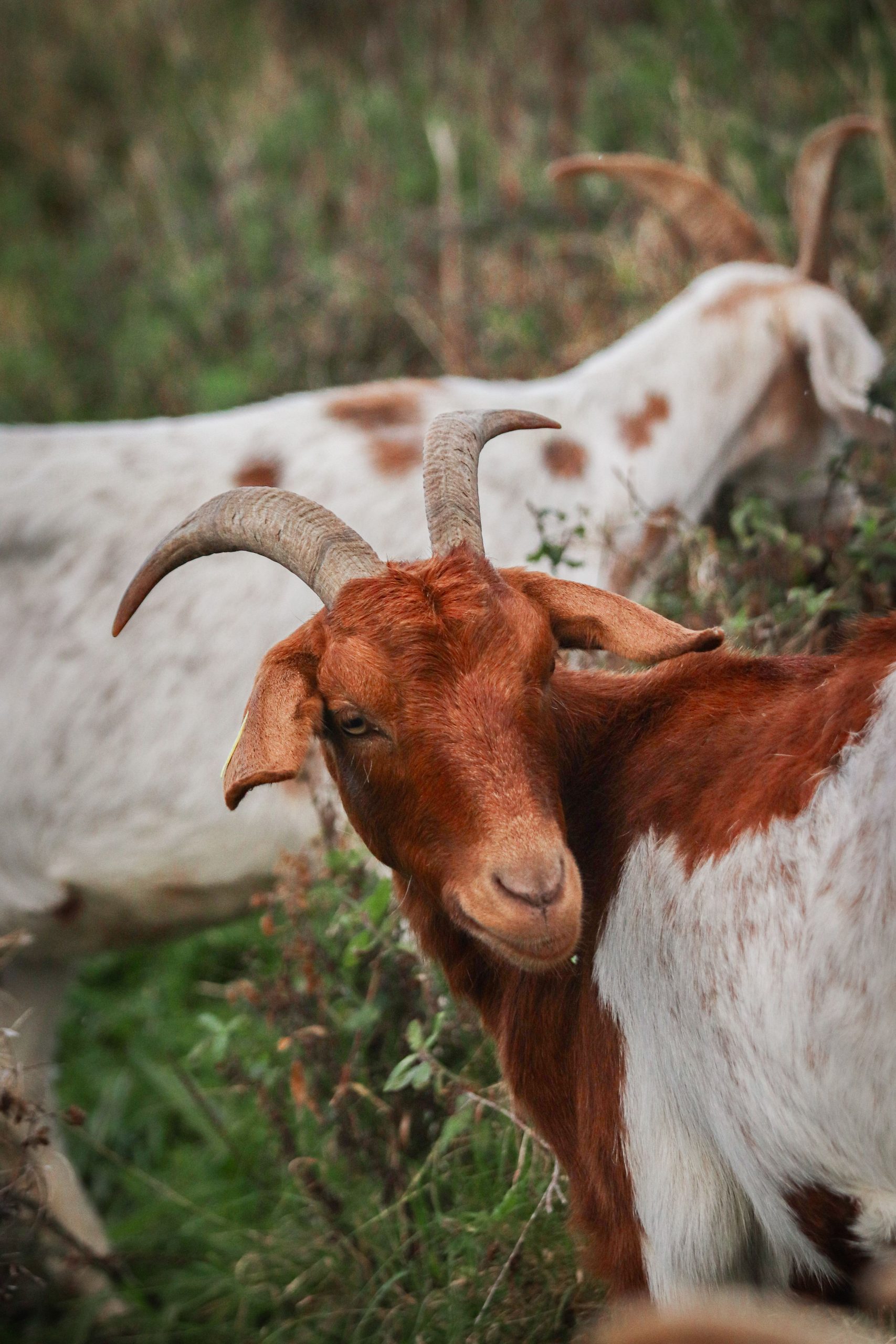

Understanding how goats naturally behave makes every part of raising them easier, from handling and housing to reducing herd conflict. Goats are highly social, intelligent animals with a distinct herd structure that shapes almost everything they do.
Goats Are Herd Animals to the Core
Goats are never meant to live alone. A solitary goat will experience significant stress, calling out repeatedly and pacing in an attempt to reconnect with a social group. Every goat operation, even a small backyard setup, should keep at least two goats together for their psychological wellbeing.
The Herd Hierarchy
Goats establish a clear pecking order through head-butting, pushing, and posturing, particularly when new animals are introduced or during feeding time. This hierarchy determines feeding order, preferred resting spots, and general access to resources. Watching your herd’s dynamics helps you understand who might need separate feeding to avoid being bullied away from food.
Curious and Exploratory by Nature
Goats investigate their environment primarily with their mouths and are notorious for nibbling on anything new, from clothing to fence posts to plants. This isn’t pickiness or misbehavior, it’s how goats naturally gather information about their surroundings. Understanding this trait explains a lot of “problem” behavior new owners find confusing.
Browsing vs Grazing Behavior
Unlike sheep and cattle, which primarily graze low grasses, goats are natural browsers that prefer to eat at eye level or above, favoring leaves, shrubs, and brush. This instinct explains why goats often ignore perfectly good pasture grass in favor of reaching for tree branches or fence-line weeds.
Communication and Vocalization
Goats are vocal animals, using a range of bleats to communicate hunger, distress, social separation, or simple contact calls to the herd. Learning your goats’ normal vocal patterns helps you notice when something is wrong, since a goat in genuine distress often has a distinctly different, more urgent call.
Stress Signals to Watch For
- Excessive, repetitive calling, especially when separated from the herd.
- Pacing along fence lines.
- Reduced feed intake or withdrawal from the group.
- Uncharacteristic aggression toward herd mates.
Why Behavior Knowledge Matters for Handling
Understanding herd dynamics helps you design handling systems that work with goats’ natural instincts rather than against them. Goats generally move more calmly when following a leader they trust rather than being driven from behind, and minimizing sudden, loud disruptions reduces stress during routine handling tasks like hoof trimming or vaccination.
Applying This to Your Farm
Respecting goats’ social needs, browsing instincts, and communication style leads to calmer animals, easier handling, and fewer behavioral problems overall. A herd that feels secure in its social structure and environment is a more productive, healthier herd.
Looking to build or expand your herd? Browse our current goats for sale.