
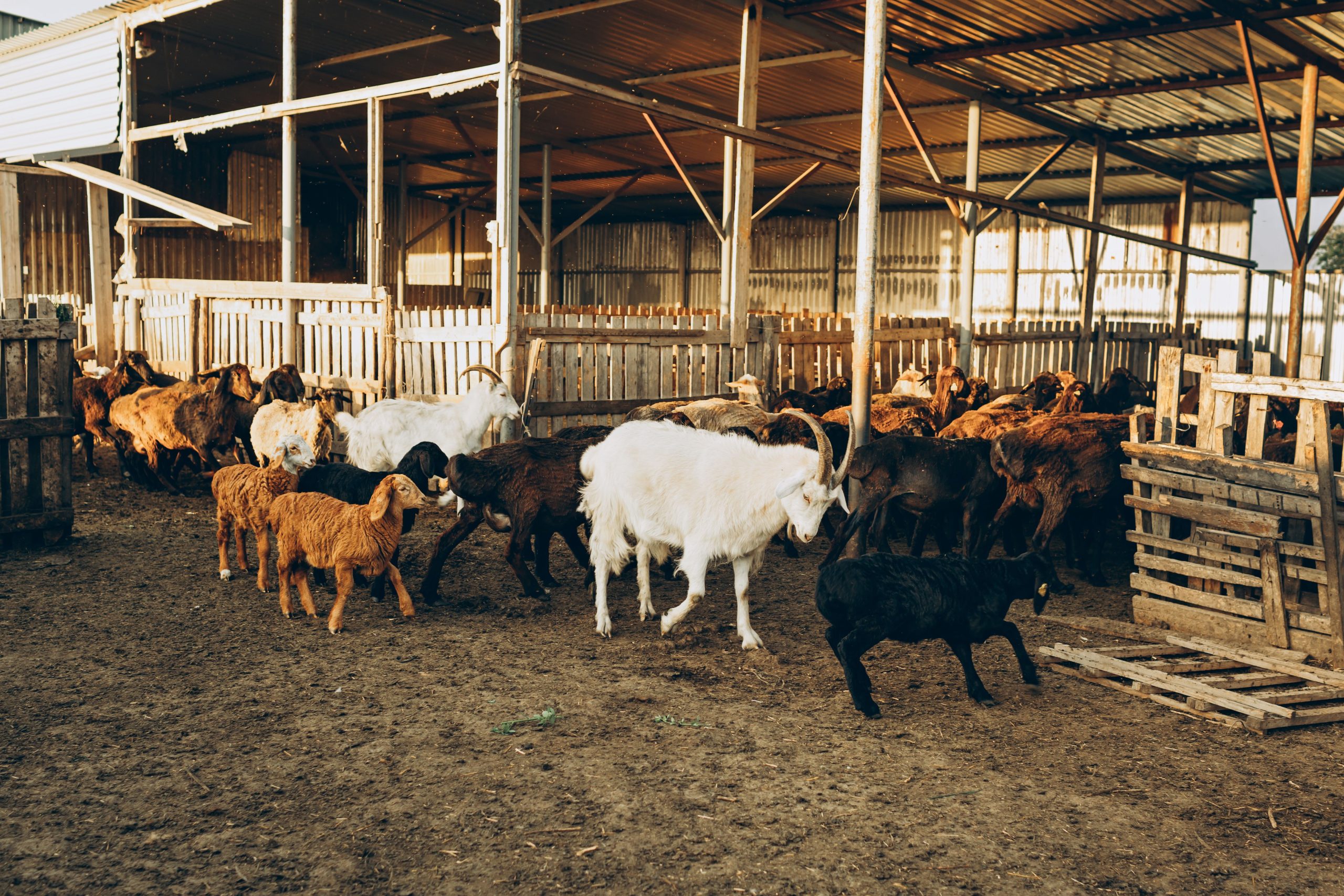

Goats are hardier than many people assume, but they still need appropriate shelter to stay healthy and productive year-round. Unlike some livestock, goats have a strong aversion to getting wet, making dry shelter one of the most important elements of a good housing setup.
Why Goats Need Good Shelter
Goats lack the heavy waterproof coat that helps sheep and cattle shed rain, and prolonged exposure to wet, cold conditions significantly increases the risk of respiratory illness and parasite problems. A dry, draft-free shelter isn’t a luxury for goats, it’s a basic health requirement.
Basic Shelter Requirements
A simple three-sided run-in shed, open on the leeward side, is often sufficient in moderate climates. The key requirements are a dry floor, protection from wind and precipitation, and enough space for every goat in the group to lie down comfortably at once. A general rule of thumb is 15 to 20 square feet per goat for adequate space.
Climate-Specific Considerations
In hot, humid climates, ventilation becomes the priority, with shade and airflow more important than insulation. In cold climates, a more enclosed structure with good bedding, such as straw, helps goats retain body heat, though goats generally handle cold far better than they handle wet, drafty conditions.
Bedding and Flooring
Straw or wood shavings provide insulation and absorb moisture, and should be refreshed regularly to keep the sleeping area dry. A dirt or gravel floor with good drainage, topped with bedding, generally works better than a floor that holds moisture, such as poorly draining clay.
Housing for Kidding Season
Pregnant does benefit from a separate, extra-clean kidding area during the last few weeks before delivery, reducing exposure to parasites and pathogens that build up in general housing areas. A well-bedded kidding pen also gives newborn kids a warmer, safer environment during their first vulnerable days.
Ventilation Without Drafts
Good airflow prevents the buildup of ammonia and moisture that contributes to respiratory illness, but goats should be protected from direct drafts at floor level where they rest. Positioning vents and openings higher up, away from bedding areas, achieves both goals at once.
Housing for Bucks
Bucks are often housed separately from does, particularly outside of breeding season, both to control breeding timing and to reduce the strong odor bucks produce during rut from affecting the milk of nearby dairy does.
Building a Setup That Works
Whether you build an elaborate barn or a simple run-in shed, the fundamentals remain the same: keep goats dry, draft-free, and with enough space to move and rest comfortably. Getting the shelter right reduces illness, supports better growth and milk production, and makes day-to-day management easier.
Ready to house a new herd? Browse our current goats for sale to get started.


