
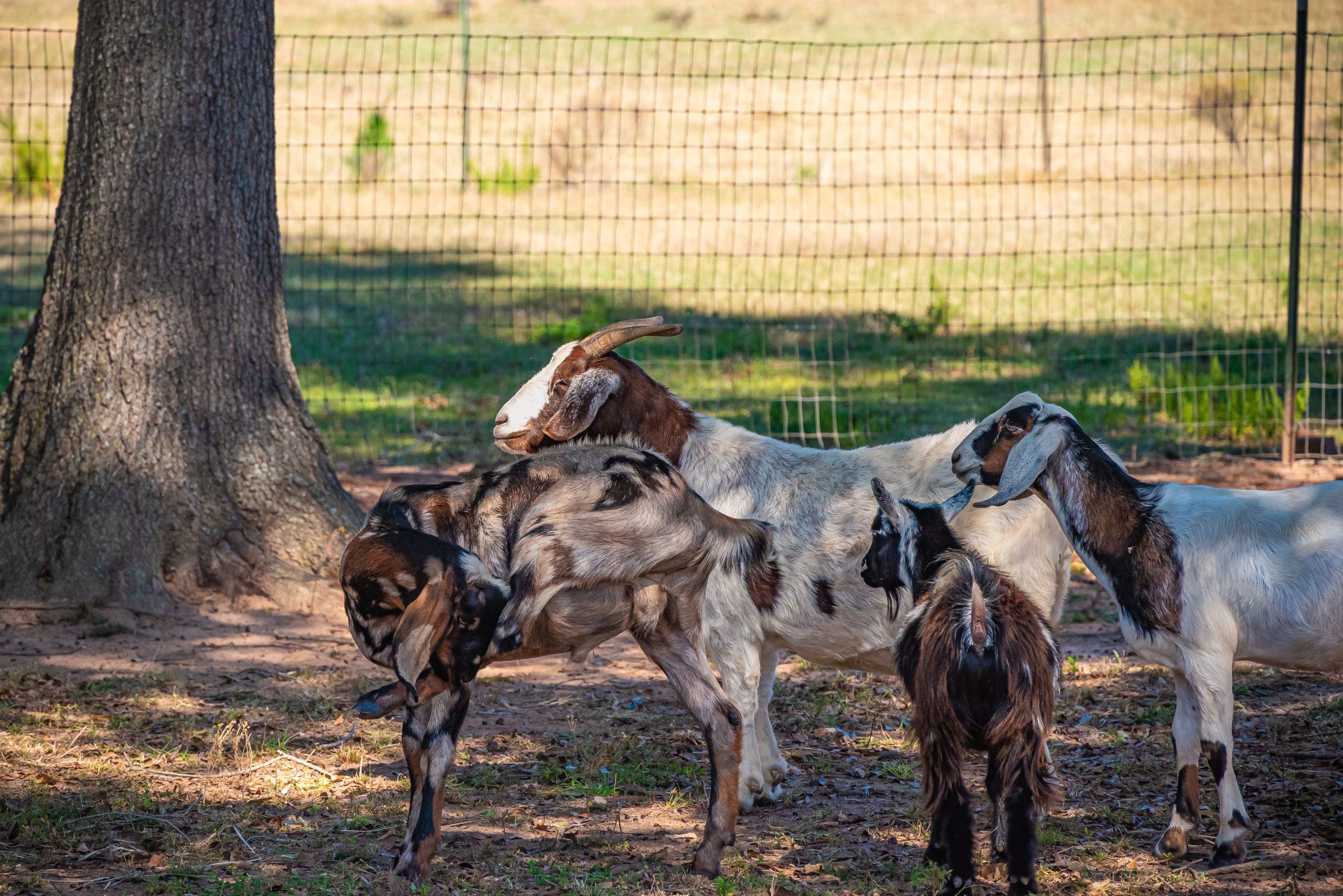

Starting a small goat farm is one of the most accessible entry points into livestock farming, requiring less land and lower startup costs than cattle or horses. That said, doing it right takes real planning. Here’s what to expect in terms of land, costs, and equipment.
How Much Land Do You Need?
Goats can thrive on relatively small acreage compared to larger livestock. A general guideline is 4 to 10 goats per acre of decent pasture, depending on forage quality, though goats’ natural preference for browsing brush and shrubs means even wooded or overgrown land can be productive. Rotational grazing across smaller paddocks helps prevent overgrazing and supports parasite control.
Startup Costs to Expect
- Foundation stock – Quality breeding does typically range from $150 to $400 each, with bucks often costing more depending on genetics.
- Fencing – Goat-proof woven wire or multi-strand electric fencing is a significant upfront cost but essential given how skilled goats are at escaping.
- Shelter – A simple three-sided run-in shed is often sufficient in moderate climates; more elaborate barns cost more but offer added protection.
- Feed and mineral – Ongoing costs for hay, mineral supplements, and any grain needed during lactation or growth.
- Veterinary care – Initial vaccinations, deworming, and a relationship with a livestock veterinarian for routine and emergency care.
Essential Equipment
Beyond fencing and shelter, plan for a sturdy hoof trimming setup, a stanchion or milking stand if you’re raising dairy goats, feeders and waterers that resist tipping and contamination, and a basic first-aid kit for common goat health issues. A reliable method of restraint and handling, even something as simple as a small handling pen, makes routine care much easier.
Choosing Your Goat Enterprise
Decide early whether you’re focused on meat production, dairy, fiber, or a mix, since this shapes your breed selection, infrastructure needs, and marketing plan. Meat goat operations often need less specialized equipment than dairy operations, which require milking equipment and more frequent handling.
Predator Protection From Day One
Goats are vulnerable to coyotes, stray dogs, and other predators, particularly kids and smaller breeds. Secure fencing combined with a livestock guardian dog provides much stronger protection than fencing alone, and it’s worth factoring this into your startup plan rather than adding it as an afterthought once losses occur.
A Realistic Timeline
Most new goat farmers spend the first few months setting up fencing and shelter before bringing home their first animals. Building a relationship with a local veterinarian and extension office before you need one, rather than after an emergency, is one of the most valuable early steps you can take.
Getting Started
With modest land requirements and manageable startup costs compared to larger livestock, goats are an excellent entry point for new farmers. Browse our current goats for sale to find quality foundation stock for your new herd, and consider a livestock guardian dog to protect your investment.


