
It can be hard to tell whether your livestock guardian dog is actually doing its job, especially since good guarding often looks like nothing happening at all. Here’s how to recognize the real signs of an effective LGD.
1. Your Predator Losses Drop
The most obvious and important sign is simple: fewer or no losses to coyotes, stray dogs, foxes, or other predators. If attacks that used to happen regularly stop occurring after your LGD matures, that’s strong evidence the dog is doing exactly what it was bred for.
2. The Dog Stays Close to the Herd By Choice
A working guardian dog doesn’t need to be told to stay with the livestock. It chooses to bed down near them, follows them to different grazing areas, and generally treats the herd as its social group rather than wandering off to find people or other dogs.
3. Nighttime Patrolling and Barking
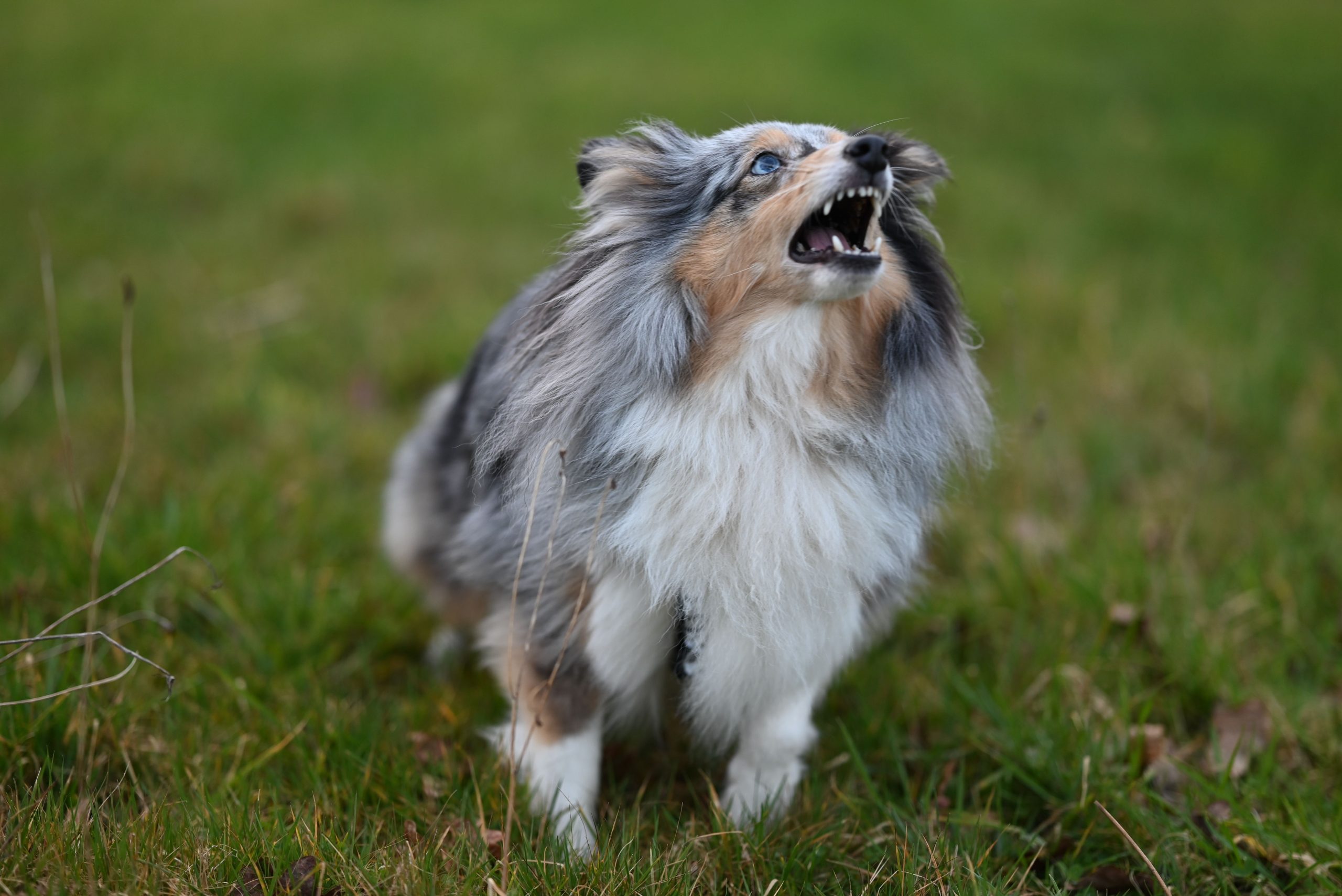
Most predator activity happens at night, so a working LGD is often most active during those hours, patrolling the perimeter and barking at anything unusual. This nighttime barking is frequently misunderstood by new owners as a nuisance, but it’s actually one of the clearest signs the dog is alert and doing its job. Excessive, non-stop barking at nothing in particular can be a separate issue worth investigating, but purposeful barking at real disturbances is exactly what you want.
4. Calm Confidence Around the Livestock
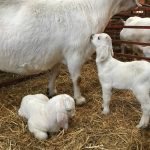
A well-adjusted guardian dog moves calmly among goats, sheep, or poultry without causing stress, and the animals in turn treat the dog as a normal, non-threatening presence. You’ll often see livestock graze, rest, or even approach the dog without alarm, a good indicator that trust has been established.
5. Investigating New or Unusual Activity
A good guardian dog reacts to unfamiliar sounds, smells, or animals at the property line, moving to investigate rather than ignoring it. This proactive behavior, checking out anything out of the ordinary, is a core part of the deterrence effect that keeps predators away in the first place.
6. Physical Presence at the Point of Danger
When something does approach, whether it’s a stray dog, a vehicle, or wildlife, an effective LGD positions itself between the threat and the herd rather than hiding or fleeing. This protective positioning is instinctive in well-bred, properly raised guardian dogs.
What If You’re Not Seeing These Signs?
If your dog is still young, remember most guardian breeds don’t reach full working maturity until 18 months to 2 years old. If an adult dog isn’t showing these behaviors, revisit its bonding history, look for signs of over-socialization with people, or consult with the breeder or an experienced LGD owner about troubleshooting. In some cases, pairing an inexperienced dog with an older, proven guardian can help reinforce the right behaviors through mentorship.
Recognizing a Job Well Done
A livestock guardian dog’s success is often measured by an absence of problems rather than dramatic action. Quiet nights, healthy livestock, and a dog that stays put are the real signs your investment is paying off. Ready to add a proven guardian to your farm? Browse our livestock guard dogs for sale.