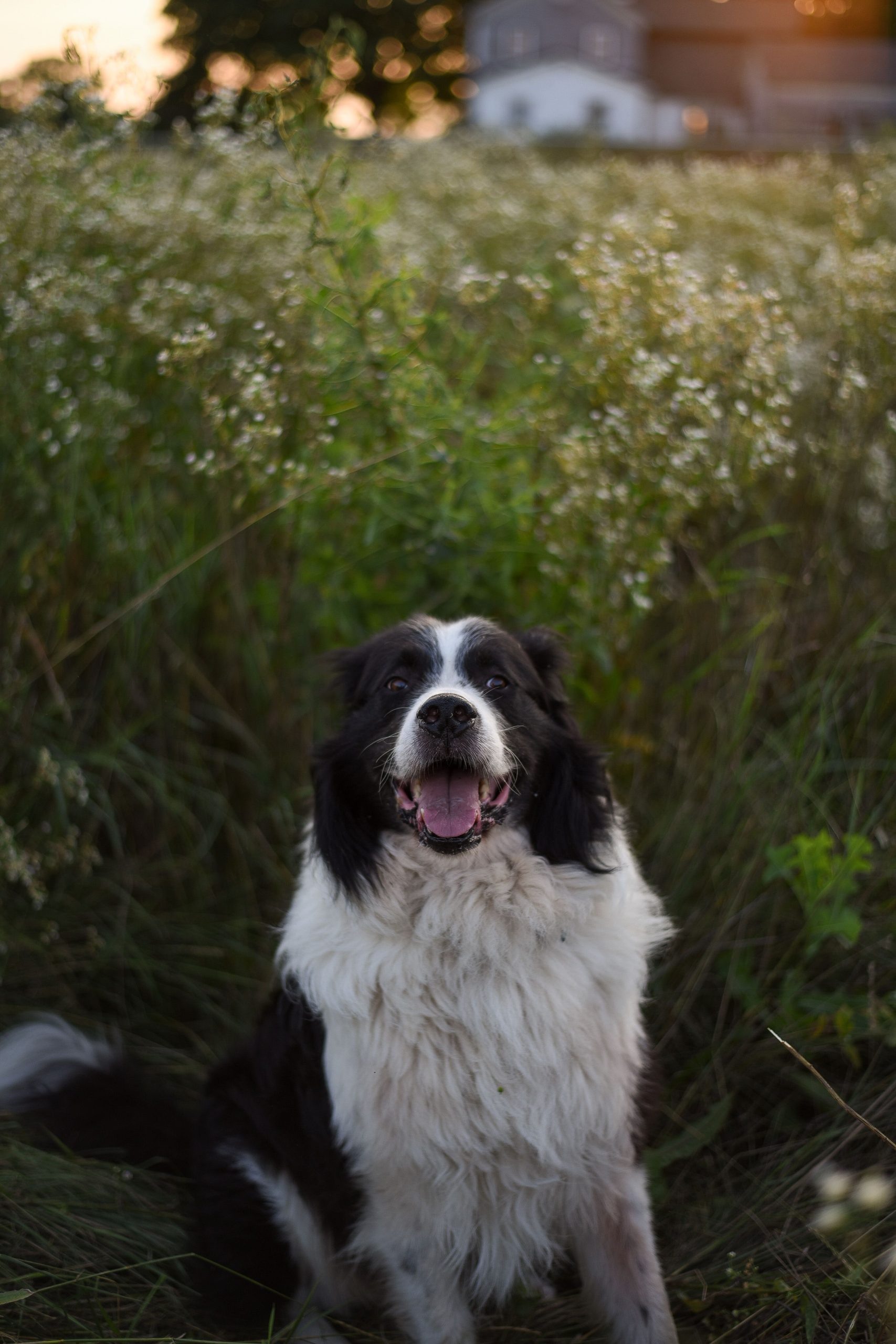

When you’re ready to add a livestock guardian dog to your farm, one of the biggest decisions is what stage of training to buy: a young puppy, a started dog with some field experience, or an already-trained adult. Each option has real tradeoffs.
Puppies: The Blank Slate Option
Buying an 8 to 12 week old puppy gives you full control over how the dog is raised and bonded to your specific livestock from day one. This is often the most affordable entry point, and many owners find it rewarding to shape the dog’s development.
Pros: Lower cost, bonds closely with your exact herd, you control every stage of training.
Cons: Requires 18 months to 2 years before full maturity, includes an awkward adolescent phase, higher risk of mistakes if you’re inexperienced.
Best for: Owners with time to invest, those planning ahead rather than needing protection immediately, and first-time LGD owners willing to learn alongside the dog.
Started Dogs: A Middle Ground
A started dog, typically 6 months to 1.5 years old, has already had exposure to livestock and has begun developing appropriate behaviors, but isn’t fully mature yet. This option splits the difference between cost and immediate reliability.
Pros: Some of the early training work is already done, moderate cost, still young enough to adapt to your specific operation.
Cons: Still needs supervision and continued training, may need time to adjust to a new property and new livestock.
Best for: Owners who want a head start on training without the full puppy time commitment, or who need protection sooner than a puppy could provide it.
Already-Trained Adults: Ready to Work
A mature, already-trained adult LGD comes with proven guarding behavior and experience, often gained on a working farm similar to yours. This is the most expensive option but offers the fastest path to reliable protection.
Pros: Immediate or near-immediate protection, proven behavior and temperament, skips the unpredictable adolescent phase entirely.
Cons: Highest upfront cost, requires an adjustment period to a new property and herd, availability can be limited since fewer trained adults come up for sale.
Best for: Farms facing active predator pressure who need protection now, or owners who’d rather pay a premium than manage a young dog’s training themselves.
Questions to Ask Before Buying at Any Stage
- What livestock has this dog (or its parents) been raised or worked around?
- What is the dog’s health history, including hip and joint screening for adults?
- For started or trained dogs, why is the current owner selling?
- What training methods and correction approaches has the dog been exposed to?
Matching the Choice to Your Timeline
If you have the time and patience to invest in a young dog’s development, a puppy offers the best value and the closest bond to your specific farm. If you need protection sooner, or would rather not manage the unpredictable adolescent stage, a started or already-trained adult is worth the added cost.
Browse our current livestock guard dogs for sale, including puppies, started pups, and already-trained adults, to find the right fit for your timeline and budget.